 中文版
中文版




releaseTime:2026-01-13 09:01:53source:Mu TiannumberOfPageViews:0
The safety protection measures for a chain hoist encompass built-in mechanical safeguards, operational protocols, compliance with standards, and maintenance practices to ensure secure lifting operations. Below is a structured breakdown of these measures:
1. Built-In Safety Devices & Design Features
Brake Systems:
Automatic Engagement: Friction-based, electromagnetic, or dynamic brakes lock the gear system when lifting stops, preventing load slippage. Dual pawl systems enhance redundancy.
Fail-Safe Design: Brakes engage even if power fails (critical for electric hoists) or if the operator releases the hand chain.
Hooks & Latches:
Safety Latches: Self-closing latches on hooks prevent accidental load detachment. Hooks are designed to deform plastically under overload (rather than fracture) to signal overload conditions.
Swivel Hooks: Reduce twisting forces on the load chain.
Gear System & Mechanical Advantage:
Reduction Gears: Amplify force via gear ratios (e.g., 12:1 ratio reduces required operator effort to 1/12th of the load weight). Safety factors (typically 4:1) ensure gears withstand loads beyond rated capacity.
Overload Protection: Shear pins, torque limiters, or electronic sensors halt operation if loads exceed rated capacity.
Load Chain:
High-Tensile Alloy Steel: Resists wear, corrosion, and fatigue. Stainless steel chains are used in corrosive/food-grade environments.
Chain Guides: Prevent chain misalignment and jamming.
Emergency Controls (Electric Hoists):
Pendant/Remote Stop Buttons: Allow immediate halting of operations.
Limit Switches: Prevent over-travel (e.g., upper/lower limit switches stop the hoist at predefined heights).
2. Operational Safety Practices
Load Capacity & Vertical Lifting:
Never Exceed Rated Capacity: Adhere to the manufacturer’s load limits (safety factor ≥4:1). Overloading risks gear failure or brake slippage.
Vertical Lifting Only: Avoid angled/horizontal pulls unless using lever hoists or trolley mounts. Side loads can destabilize the hoist or damage components.
Pre-Operation Inspection:
Visual Checks: Inspect load chain for kinks, wear, or corrosion; check hooks for deformation or cracks; test brake responsiveness; ensure hand chain moves smoothly.
Functional Testing: Lift the load slightly to confirm brake engagement and smooth operation before full use.
Secure Mounting & Rigging:
Fixed Anchor Points: Use certified beam clamps, shackles, or slings to secure the hoist. Ensure mounting points are rated for the load.
Trolley Systems (Electric Hoists): Mount on I-beams or monorails for horizontal movement, with anti-drop/anti-derailment guards.
Operator Training & Protocols:
Certified Training: Operators must be trained in hoist operation, load handling, and emergency procedures.
Clear Communication: Use standardized signals (e.g., hand signals, radios) in team lifting scenarios.
3. Compliance with Standards & Regulations
Industry Standards:
ANSI/ASME: ANSI E1.6-3 (entertainment/rigging), ASME B30.16 (overhead hoists) define design, testing, and operational requirements.
OSHA: Mandates fall protection, load capacity labeling, and regular inspections (29 CFR 1926.1400 for cranes/hoists).
ISO: ISO 4301 (classification of cranes) and ISO 12480 (safe use of cranes) provide global guidelines.
Certification & Testing:
Load Testing: Hoists undergo static and dynamic load tests (e.g., 125% of rated capacity for 10 minutes) during manufacturing.
Third-Party Certification: Compliance with CE, UL, or CSA standards ensures adherence to regional safety norms.
4. Maintenance & Inspection
Scheduled Maintenance:
Lubrication: Regularly lubricate gears, chains, and bearings to reduce friction and wear.
Brake Adjustment: Periodically check and adjust brake clearance to ensure proper engagement.
Periodic Inspections:
Daily Checks: Operator-level checks for chain/hook integrity, brake function, and control responsiveness.
Annual/Thorough Examinations: Certified technicians inspect internal components (gears, bearings) for wear, corrosion, or fatigue. Replace worn parts (e.g., chains, gears) per manufacturer guidelines.
Environmental Adaptation:
Corrosive Environments: Use stainless steel chains, corrosion-resistant coatings, or sealed gearboxes.
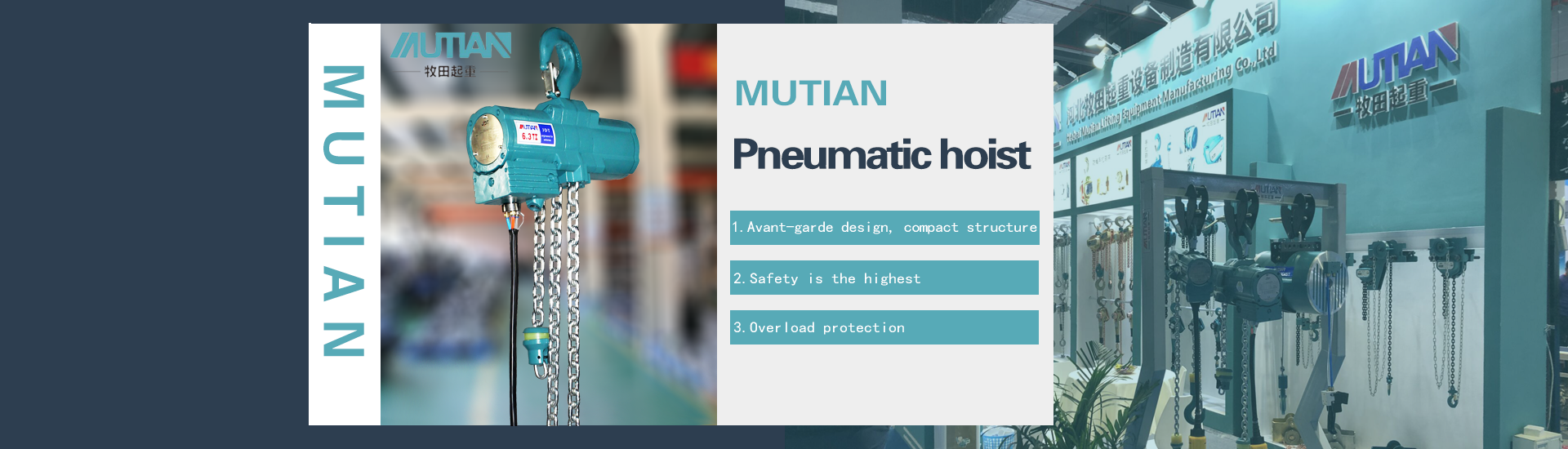
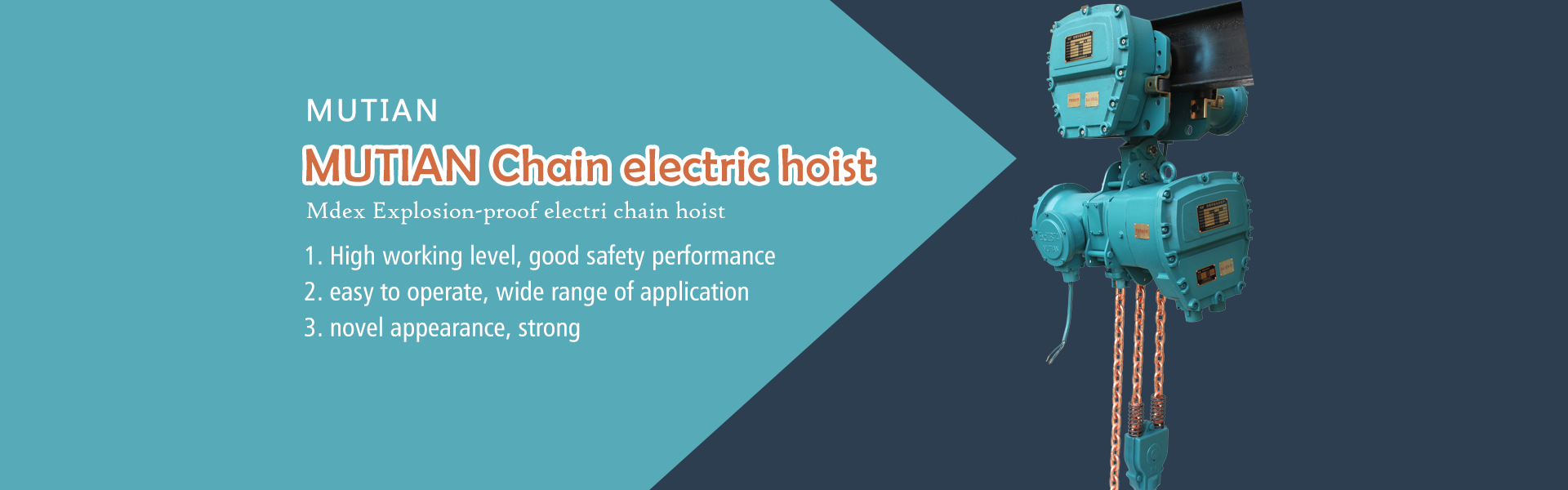
Hazardous Environments: Pneumatic/hydraulic hoists or explosion-proof electric hoists for flammable/explosive settings.
5. Emergency Preparedness
Overload Response: Immediately stop operation if the hoist stalls or emits unusual noises; do not force operation.
Emergency Procedures: Train operators to use emergency stop controls, evacuate the area if loads become unstable, and report incidents per OSHA/ANSI guidelines.
First Aid & Rescue: Ensure rescue equipment (e.g., harnesses, rescue hoists) is accessible for suspended load/operator rescue.
The main equipment produced by Hebei Makita: stage electric hoist, electric chian hoist, wire rope electric hoist,Hand chain hoist, lever hoist, pneumatic hoist and other lifting equipment
 phone
phone
 service
 message
 e-mail
