 中文版
中文版




releaseTime:2025-07-24 09:18:54source:Mu TiannumberOfPageViews:0
When choosing a forklift, selecting the right model and specifications is crucial for optimizing efficiency, safety, and cost-effectiveness in your operations. Here are the key aspects to consider:
1. Load Capacity and Lifting Requirements
Weight Capacity: Determine the maximum weight the forklift will need to lift regularly. Choose a model with a capacity slightly higher than your heaviest loads to ensure safety and longevity.
Lift Height: Measure the maximum height the forklift will need to reach (e.g., stacking on high shelves or loading trucks). Ensure the forklift’s mast can extend to this height while maintaining stability.
Load Center: Consider the size and shape of your loads. A larger load center (distance from the fork face to the load’s center of gravity) may reduce the forklift’s effective capacity.
2. Operating Environment
Indoor vs. Outdoor Use:
Indoor: Electric forklifts (battery-powered) are ideal for warehouses or enclosed spaces due to zero emissions and quiet operation.
Outdoor: Internal combustion (IC) forklifts (diesel, gasoline, or LPG) are better suited for rough terrain, wet conditions, or extreme temperatures.
Floor Conditions: Smooth concrete floors favor cushion tire forklifts, while rough or uneven surfaces require pneumatic tires for better traction and shock absorption.
Space Constraints: Narrow aisles may require a reach truck or a forklift with a compact chassis and articulated steering.
3. Fuel Type
Electric Forklifts:
Pros: Quiet, zero emissions, lower operating costs (no fuel), and suitable for indoor use.
Cons: Longer charging times, limited runtime per charge, and higher initial cost for batteries/chargers.
Internal Combustion (IC) Forklifts:
Diesel: High torque, suitable for heavy-duty outdoor work, but noisy and emit exhaust fumes.
Gasoline/LPG: Cleaner than diesel, versatile for indoor/outdoor use, but require ventilation and have higher fuel costs.
Hybrid/Dual-Fuel: Combines electric and IC benefits for flexibility in varying environments.
4. Maneuverability and Ergonomics
Turning Radius: Tight spaces demand a forklift with a small turning radius (e.g., three-wheel models).
Operator Comfort: Look for adjustable seats, ergonomic controls, and good visibility to reduce fatigue during long shifts.
Control Layout: Intuitive controls (e.g., joystick vs. steering wheel) can improve productivity and reduce training time.
5. Attachment Compatibility
Common Attachments: Side shifters, fork positioners, clamps, rotators, or drum handlers may be needed for specialized tasks.
Compatibility: Ensure the forklift’s hydraulic system and frame can support the attachments you plan to use.
6. Safety Features
Overhead Guards: Protect the operator from falling objects.
Seat Belts and Alarms: Essential for operator safety.
Stability Systems: Features like automatic speed reduction on turns or load-sensing technology enhance safety.
Visibility Enhancements: Backup cameras, LED lights, or transparent masts improve operator awareness.
7. Maintenance and Serviceability
Ease of Access: Components like filters, batteries, or engines should be easy to reach for routine maintenance.
Availability of Parts: Choose a brand with readily available spare parts to minimize downtime.
Warranty and Support: Opt for manufacturers offering reliable warranties and local service networks.
8. Cost Considerations
Initial Purchase Price: Balance upfront costs with long-term savings (e.g., electric forklifts may have higher initial costs but lower operating expenses).
Operating Costs: Factor in fuel, electricity, maintenance, and labor when comparing models.
Resale Value: Well-known brands (e.g., Toyota, Hyster, Crown) often retain higher resale value.
9. Future Needs and Scalability
Anticipated Growth: If your business is expanding, choose a forklift with some excess capacity to avoid premature replacement.
Technology Upgrades: Consider models with telemetry, fleet management systems, or automation-ready features for future integration.
10. Regulatory Compliance
Emissions Standards: Ensure the forklift meets local environmental regulations (e.g., EPA standards in the U.S.).
Safety Certifications: Verify compliance with OSHA (U.S.) or equivalent safety standards in your region.
11. Brand Reputation and Reviews
Reliability: Research the manufacturer’s track record for durability and performance.
Customer Feedback: Read reviews or consult peers to gauge real-world satisfaction with the model.
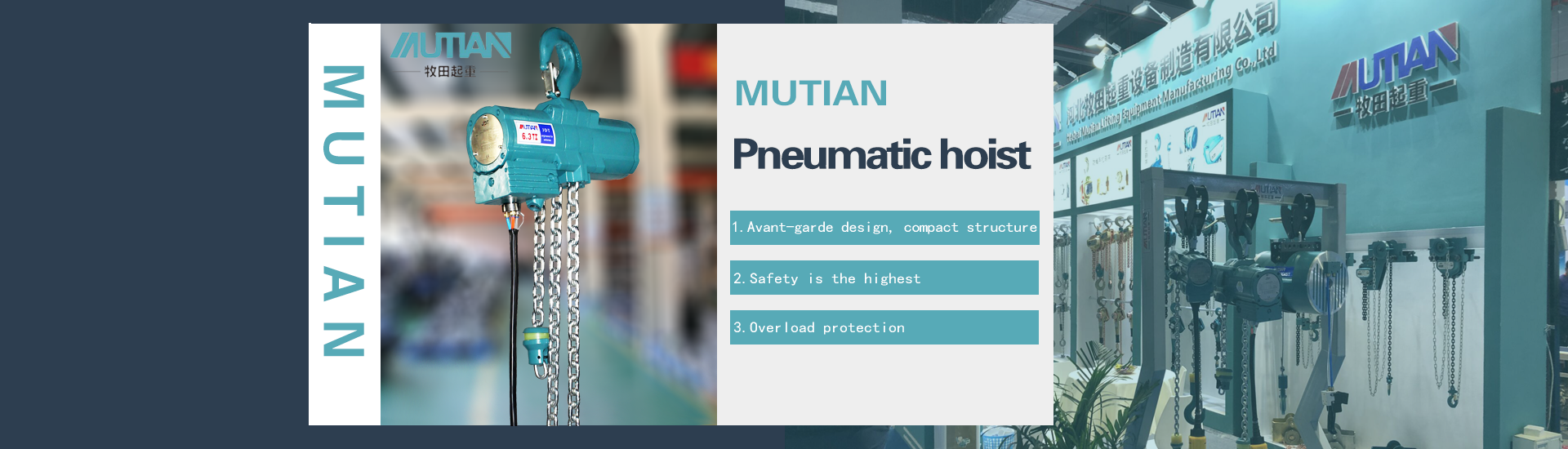
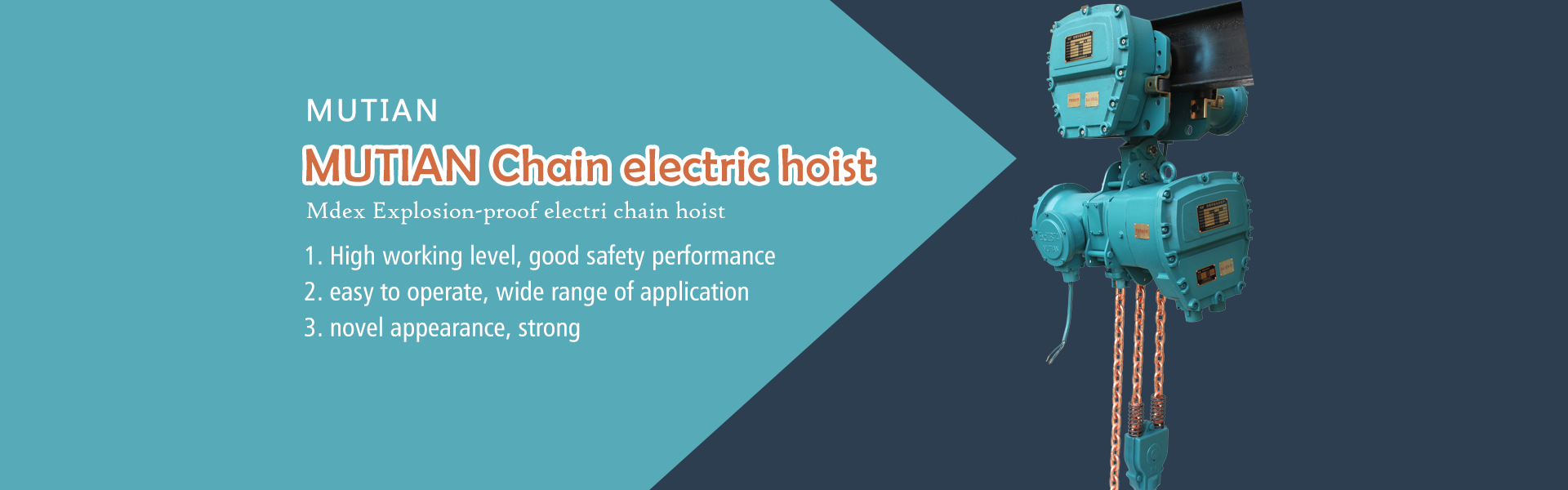
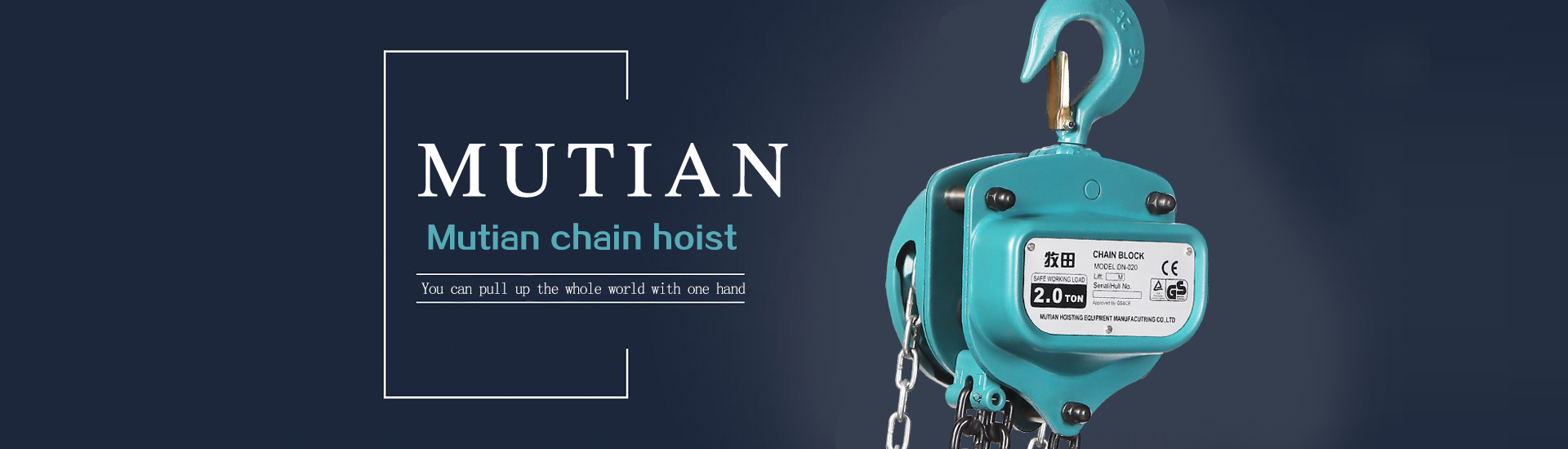
The main equipment produced by Hebei Makita: stage electric hoist, electric chian hoist, wire rope electric hoist,Hand chain hoist, lever hoist, pneumatic hoist and other lifting equipment
 phone
phone
 service
 message
 e-mail
