 中文版
中文版





releaseTime:2025-07-24 08:52:47source:Mu TiannumberOfPageViews:0
When using forklifts, ensuring safety is paramount to prevent accidents and injuries. Here are some key precautions to follow:
1. Pre-Operation Checks
Inspect the Forklift Daily: Check brakes, steering, lights, horn, tires, and fluid levels (e.g., hydraulic oil, fuel).
Verify Attachments: Ensure forks, clamps, or other attachments are secure and undamaged.
Check the Load Capacity: Never exceed the forklift’s rated load capacity (displayed on the data plate).
Test Controls: Operate the forklift in a safe area to ensure all controls (e.g., lift, tilt, drive) function properly.
2. Safe Loading Practices
Balance the Load: Distribute weight evenly to prevent tipping. Keep the load centered and low to the ground when moving.
Secure the Load: Use straps or chains if the load is unstable or likely to shift.
Avoid Overloading: Exceeding the capacity can cause the forklift to tip over or lose control.
Check Visibility: Ensure the load does not obstruct the operator’s view. If necessary, drive in reverse or use a spotter.
3. Operating the Forklift
Drive Slowly and Smoothly: Avoid sudden stops, starts, or turns, which can destabilize the load.
Maintain a Safe Speed: Adjust speed based on load weight, surface conditions, and visibility.
Keep a Safe Distance: Stay away from edges of ramps, docks, or elevated platforms to prevent falls.
Avoid Sharp Turns: Turning too quickly can cause the forklift to tip over, especially with a raised load.
Use Horns at Intersections: Alert pedestrians or other vehicles when approaching blind spots.
Do Not Raise or Lower Loads While Moving: Only adjust the forks when the forklift is stationary.
4. Pedestrian Safety
Yield to Pedestrians: Always give pedestrians the right of way.
Use Warning Signals: Sound the horn when approaching corners, doorways, or areas with limited visibility.
Maintain Clear Aisles: Ensure walkways are free of obstacles and debris.
Never Allow Riders: Do not let anyone ride on the forklift unless it is designed for passengers (e.g., a built-in seat).
5. Working on Ramps and Inclines
Drive Up Ramps Forward: When going up an incline, drive forward with the load facing uphill.
Drive Down Ramps in Reverse: When descending, drive backward with the load facing uphill to prevent tipping.
Avoid Sudden Movements: Keep the load low and steady to maintain balance.
6. Parking and Shutdown
Lower Forks to Ground: Park with forks fully lowered and tilted slightly forward.
Engage Parking Brake: Always set the brake before exiting the forklift.
Turn Off Engine: Shut down the forklift and remove the key to prevent unauthorized use.
Park in Designated Areas: Avoid blocking exits, aisles, or emergency equipment.
7. Maintenance and Refueling
Follow Manufacturer Guidelines: Perform regular maintenance as recommended in the operator’s manual.
Refuel Safely:
For electric forklifts, charge batteries in well-ventilated areas away from flames or sparks.
For gas/diesel forklifts, refuel only in designated areas with proper ventilation.
Never smoke or use open flames near refueling stations.
Check for Leaks: Inspect for fuel, hydraulic fluid, or battery acid leaks regularly.
8. Operator Training and Certification
Get Proper Training: Operators must be trained and certified to operate a forklift safely.
Stay Alert: Avoid distractions (e.g., using phones) while operating the forklift.
Report Issues Immediately: If the forklift malfunctions or shows signs of damage, stop use and report it to a supervisor.
9. Environmental Considerations
Avoid Wet or Slippery Surfaces: Wet floors, oil spills, or loose materials can cause skidding.
Be Cautious in Tight Spaces: Maneuver carefully in narrow aisles or crowded areas.
Watch for Overhead Obstructions: Be aware of low ceilings, pipes, or hanging objects.
10. Emergency Procedures
Know Emergency Stops: Familiarize yourself with the location and operation of emergency shut-off controls.
Have a Fire Extinguisher Nearby: Especially when refueling or charging batteries.
Report Accidents Immediately: Even minor incidents should be documented and investigated.
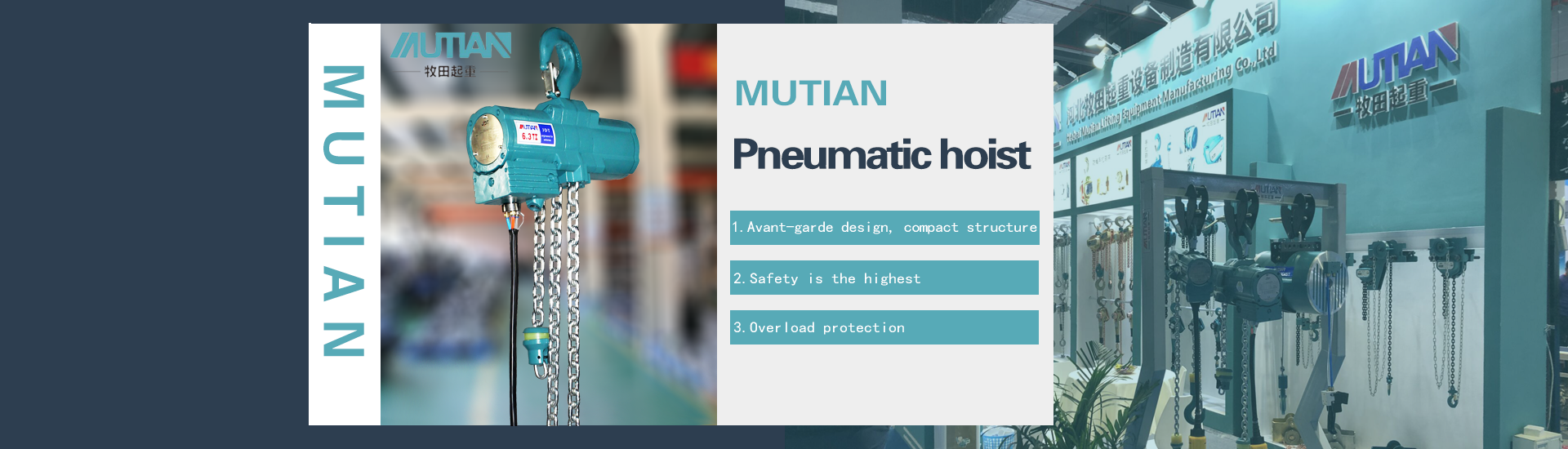
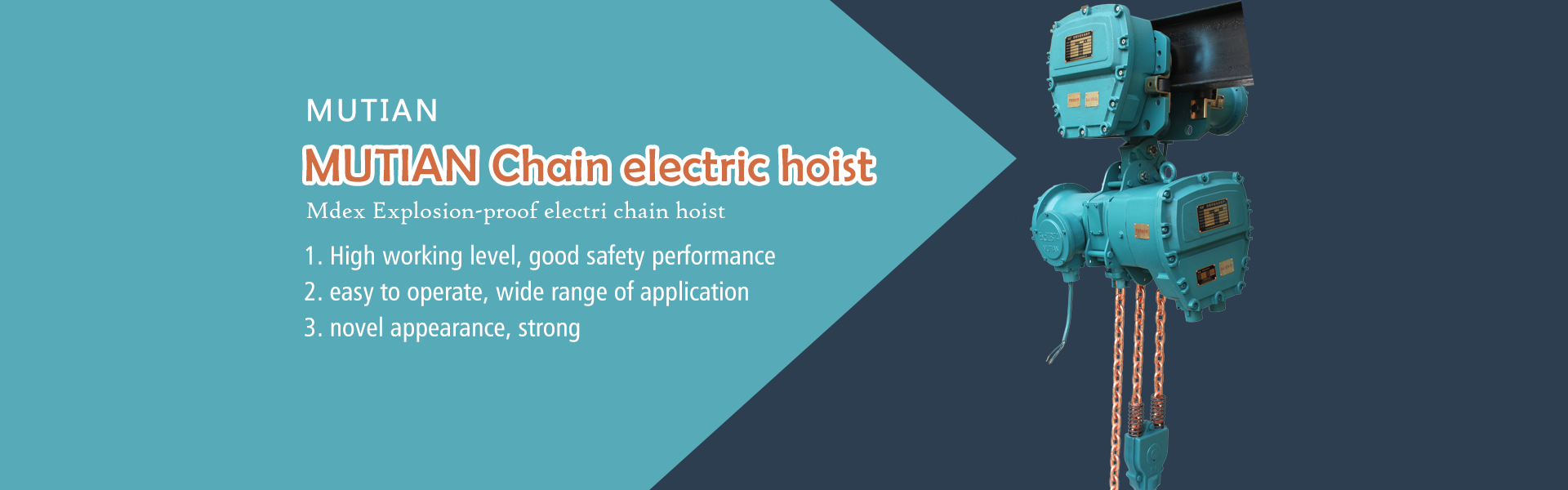
The main equipment produced by Hebei Makita: stage electric hoist, electric chian hoist, wire rope electric hoist,Hand chain hoist, lever hoist, pneumatic hoist and other lifting equipment
 phone
phone
 service
 message
 e-mail
