 中文版
中文版




releaseTime:2025-11-26 08:59:33source:Mu TiannumberOfPageViews:0
When lifting and operating an electric hoist, it is necessary to comprehensively control it from five aspects: operating standards, load management, environmental adaptation, equipment status monitoring, and emergency response to ensure safe and efficient operation. The following are specific precautions:
1、 Operating standards and procedures
Strictly follow the operating procedures
Preparation before lifting:
Confirm that the electric hoist has passed the no-load test run (check whether the lifting, lowering, and running mechanisms operate smoothly, whether the braking effect of the brake is reliable, and whether the limiter is triggered normally).
Check key components such as hooks, wire ropes, pulleys, etc. for wear, cracks, or deformation to ensure that the lifting points are firm and reliable.
Lifting operation:
Use the "inching" method for trial lifting, slowly lift the load to 10-20cm above the ground, pause, observe the load balance status and equipment operation sound, and confirm that there are no abnormalities before officially lifting.
Maintain a constant speed during the lifting process to avoid impact overload caused by sudden stop and start; Maintain a safe distance from obstacles during operation to prevent collisions.
Lowering operation:
If the brake fails or the load slips, it is strictly prohibited to stop the vehicle by cutting off the power. The "descent" button should be continuously pressed to lower the load to the ground at normal speed to avoid the load losing control and falling.
Signal and Collaborative Operations
When multiple people are working together, clear command signals (such as gestures and whistle sounds) should be used to ensure that the instructions of the operator are consistent with those of the commander, and to avoid misoperation.
Set up warning signs in the lifting operation area to prohibit unrelated personnel from entering and prevent accidental injuries.
2、 Load Management and Limitations
Overloading is strictly prohibited.
Strictly abide by the rated lifting capacity of the electric hoist, prohibit overloading (including illegal operations such as diagonal pulling, lifting, pulling, burying, etc.), and prevent wire rope breakage or motor overload from burning out.
When lifting irregular loads, specialized lifting equipment (such as balance beams and slings) should be used to ensure load balance and avoid tilting that may cause equipment to overturn.
Load stability control
Ensure that the center of gravity of the load is perpendicular to the hook during lifting to avoid shaking or twisting; Maintain stable load during operation to prevent equipment from losing control due to inertia.
When lifting high-temperature, sharp or corrosive items, protective devices (such as insulation sleeves, scratch pads) should be installed to avoid damaging equipment or causing safety hazards.
3、 Environmental adaptability adjustment
Dealing with adverse weather conditions
Wind impact: Suspend operations when wind speed is ≥ 6 levels to prevent equipment shaking from causing safety accidents; If it is necessary to work in the wind, the lifting height should be reduced and the lifting distance shortened.
Rain and snow weather: Avoid outdoor work to prevent rainwater from entering the electrical system and causing short circuits; If homework is necessary, waterproof protection should be applied to the equipment (such as installing a rain cover).
High temperature environment: Strengthen equipment heat dissipation to avoid prolonged high-temperature operation of the motor; Regularly check the temperature rise of the motor (the temperature during operation should not exceed 40 ℃ of the ambient temperature).
Special environmental protection
Marine environment: Choose anti-corrosion electric hoists (such as 316L stainless steel material, epoxy resin coating), regularly apply anti-corrosion lubricating grease to prevent salt spray corrosion.
Dust environment: Clean the surface dust of equipment in a timely manner after operation to prevent dust from entering the reducer or electrical system; Strengthen lubrication and maintenance of key components such as bearings and gears.
Corrosive environment: When lifting chemicals, it is necessary to confirm the compatibility between the equipment material and the item, and avoid corrosive substances from contacting the equipment surface.
4、 Equipment status monitoring
Real time observation of operating parameters
Monitor whether the motor current and voltage are normal to avoid abnormal equipment operation caused by unstable voltage.
Pay attention to the sound of the equipment running. If there is any abnormal noise (such as gear meshing sound or bearing friction sound), stop the machine immediately for inspection.
Regularly inspect key components
Wire rope: Check for broken wires, wear or deformation, and replace immediately when it meets the scrap standard (such as single wire breakage or diameter reduction of 7%).
Brake: Test the braking effect to ensure that the load can reliably stop after power failure; Adjust the brake clearance to the specified range (usually 0.5-1mm).
Limiting device: Test whether the upper and lower limits are sensitive to prevent equipment damage caused by overtravel operation.
5、 Emergency response and safety protection
Emergency shutdown due to malfunction
If any abnormalities such as wire rope breakage exceeding the standard, brake failure, or load tilting are found during homework, immediately press the "emergency stop" button, cut off the power supply, and set up warning signs.
If the load is suspended in mid air and cannot fall, personnel are prohibited from approaching; Contact professionals to use spare hoists or jacks to assist in transferring the load, repair the fault, and then resume operation.
Personnel safety protection
Operators wear personal protective equipment such as safety helmets, anti slip shoes, and protective gloves; Install insulated gloves when lifting high-temperature items to prevent burns.
Set up safety warning signs in the work area to ensure smooth passage and facilitate quick evacuation in emergency situations.
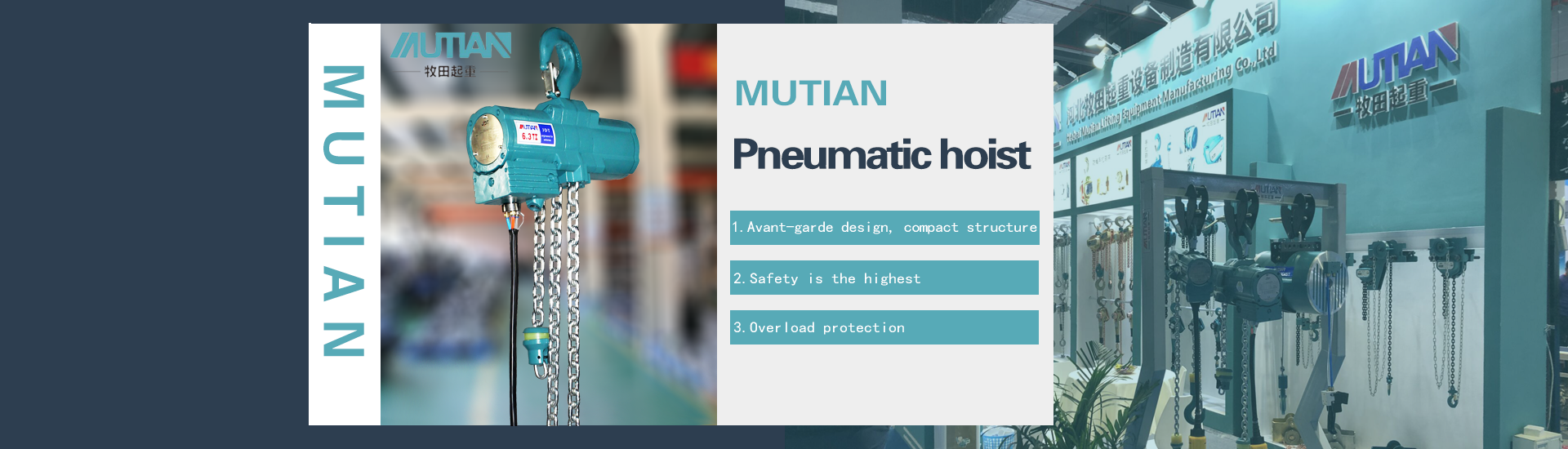
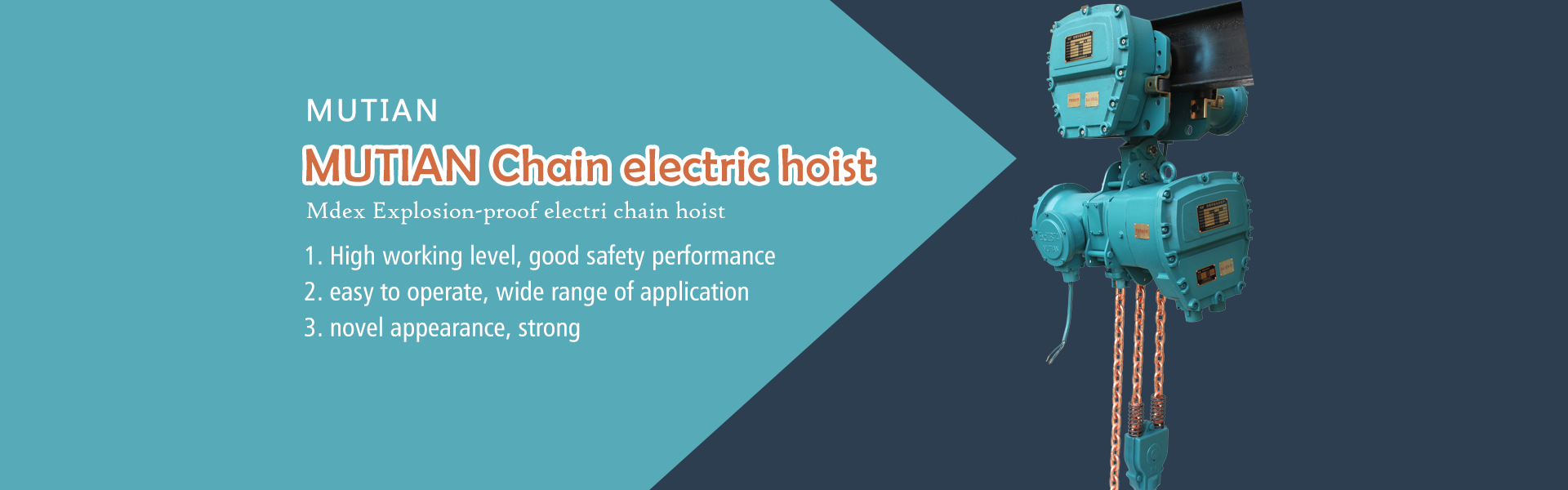
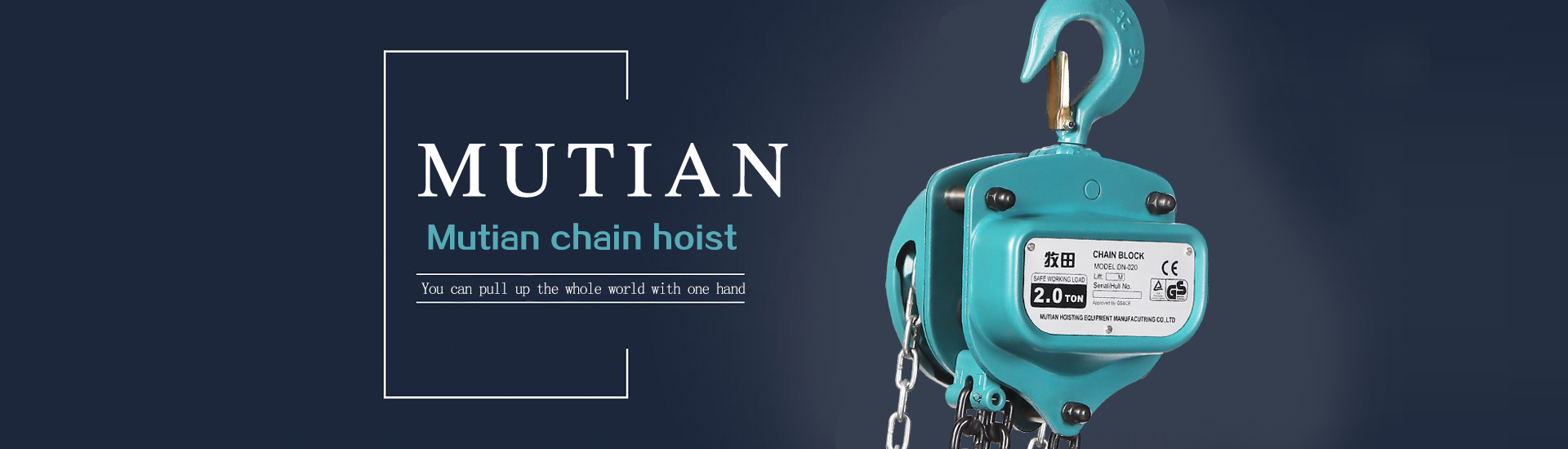
The main equipment produced by Hebei Makita: stage electric hoist, electric chian hoist, wire rope electric hoist,Hand chain hoist, lever hoist, pneumatic hoist and other lifting equipment
 phone
phone
 service
 message
 e-mail
