 中文版
中文版





releaseTime:2025-09-27 10:00:12source:Mu TiannumberOfPageViews:0
When lifting hydraulic winches, strict control should be exercised from six aspects: operating standards, equipment inspection, signal and safety protection, operation monitoring, emergency response, and maintenance. Specific precautions are as follows:
1、 Operating standards
Certified employment and training
Operators must undergo professional training and obtain a certificate of qualification, familiar with the winch structure, performance, hydraulic system, and operating methods.
Intern drivers need to operate under the supervision of a dedicated person, and the familiarization period is generally not less than half a month. After the expiration of the period, they can only operate independently after passing the examination.
Signal execution
Strictly follow the signal for operation, and do not drive if the signal is unclear or not heard clearly.
Stay focused during operation and avoid talking to others or doing distracting things.
Start and Stop
Start: First, turn on the power switch, start the motor, and then release the brake handle. The controller handle should be slowly pushed to the final position to avoid excessive force at once.
Parking: When lifting, gradually pull back the controller and then turn on the common brake; When lowering, first gradually turn back the common brake, and then pull the controller to zero position to ensure that the winch stops smoothly.
2、 Equipment inspection
Pre shift inspection
Hydraulic system: Check the adequacy of hydraulic oil, ensure that there is no damage to the pipelines, and that the oil pressure is normal (the residual pressure value of the hydraulic station oil pressure does not exceed 0.5MPa).
Electrical system: Check whether the motor, controller, switchgear, contactor, etc. are normal, and whether the temperature of the relay coil is not too high.
Transmission mechanism: Check whether the reducer, coupling, depth indicator, braking device, etc. are sensitive and reliable.
Rope and accessories: Check if the four ends of the steel wire rope are secure. If the number of broken wires within one twist exceeds 10% of the total, they should be replaced immediately; Choose ropes and accessories that match the workload.
During operation inspection
Check the flexibility and reliability of high-voltage switchgear, commutators, contactors, acceleration switches, travel switches, etc. every hour.
Observe whether the hydraulic station's oil circuit is unobstructed, whether the oil pressure is normal, and whether there are any leaks.
Check whether the depth indicator and transmission device are normal, and whether the steel wire rope arrangement is neat.
3、 Signal and Security Protection
signal system
Ensure that signal columns, alarm bells, and other signal devices are sensitive and reliable, and clarify the lifting direction before operation.
It is strictly prohibited to drive when the lighting is insufficient or the signal is not clear.
Safety protection device
Anti roll device: When the lifting container exceeds the normal terminal stop position by 0.5m, it will automatically cut off power and brake.
Anti overspeed device: When the lifting speed exceeds 15% of the maximum speed, it will automatically cut off power and brake.
Overload and undervoltage protection: The load current of the motor shall not exceed the rated value.
Speed limiting device: winches with a lifting speed exceeding 3m/s must be equipped with a speed limiting device, with a terminal speed not exceeding 2m/s.
Depth indicator failure protection: When the indicator fails, it automatically loses power and brakes.
Gap protection: When the gap exceeds the specified value, it will automatically alarm or power off.
Loose rope protection: When the steel wire rope becomes loose, it will automatically cut off power and sound an alarm (it is strictly prohibited to discharge coal from the coal bin when the skip is lifted).
Full bin protection: When the coal bin is full, an alarm will be triggered and the power will be automatically cut off.
Deceleration function protection: When the container reaches the designed deceleration position, an alarm is triggered and deceleration begins.
4、 Operation monitoring
Instruments and indicator lights
Always pay attention to the indications of current, voltage, oil pressure and other instruments, and immediately stop the machine for troubleshooting if any abnormalities are found.
Observe the depth indicator and signal column signal changes to ensure the correct lifting direction.
Temperature and Sound
Bearing temperature: Rolling bearings shall not exceed 75 ℃, and sliding bearings shall not exceed 65 ℃.
The oil temperature of the hydraulic station shall not exceed 65 ℃, and the temperature rise of the disc brake shoe shall not exceed 100 ℃.
Pay attention to the sound of each transmission part, and immediately stop the machine for inspection if any abnormal noise or odor is found.
Load and speed
Avoid working under the upper limit of rated load to prevent mechanical failure or safety accidents.
The lifting and lowering speed should not exceed 8000km/h in principle (actual adjustment should be made according to the equipment manual), otherwise the measuring device cannot work properly.
5、 Emergency response
emergency braking
Immediate emergency braking and power cut-off are required in the following situations:
The winch suddenly stops running;
Overload of the motor or power outage of the circuit;
Raise container over roll;
The winch is not running smoothly, the steel wire rope is coiled, and the current increases sharply;
The winch mechanism is damaged or poses a threat to personal safety.
After emergency braking, it is necessary to carefully inspect the steel wire rope, winch components, etc., and only resume driving after troubleshooting.
Over roll processing
When the phenomenon of over rolling occurs, the cause should be identified and the over rolling reset switch should be turned according to the direction of over rolling to perform the reset operation.
6、 Maintenance and upkeep
routine maintenance
Regularly clean the hydraulic system and transmission mechanism, and replace damaged parts in a timely manner.
Keep the winch dry and clean, and avoid working in damp or dusty environments.
The daily mandatory maintenance time shall not be less than 2 hours, and during shift handover, each shift shall inspect and repair for 30-60 minutes.
Regular maintenance
Conduct a comprehensive inspection once a year and a test every three years. Only after passing the inspection can it continue to be used.
The inspection includes braking devices, electrical systems, mechanical transmission devices, depth indicators, steel wire ropes, etc.
Record and handover of shifts
Carefully fill in the operation log and adhere to on-site shift handover.
During the shift handover, it is necessary to jointly inspect the equipment, promptly address and report any issues found.
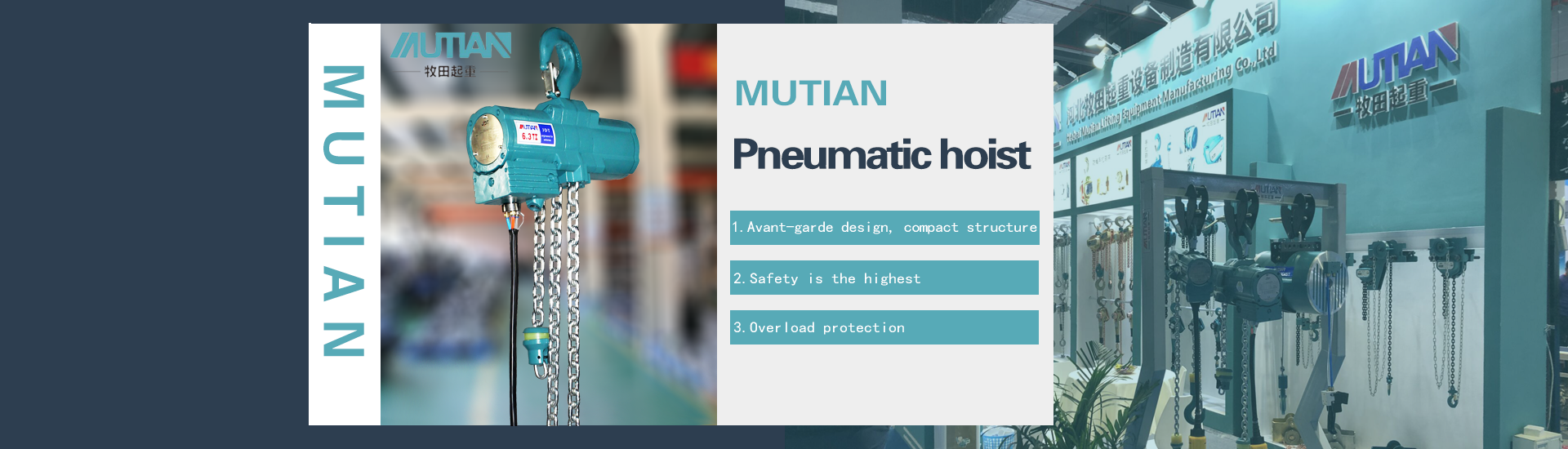
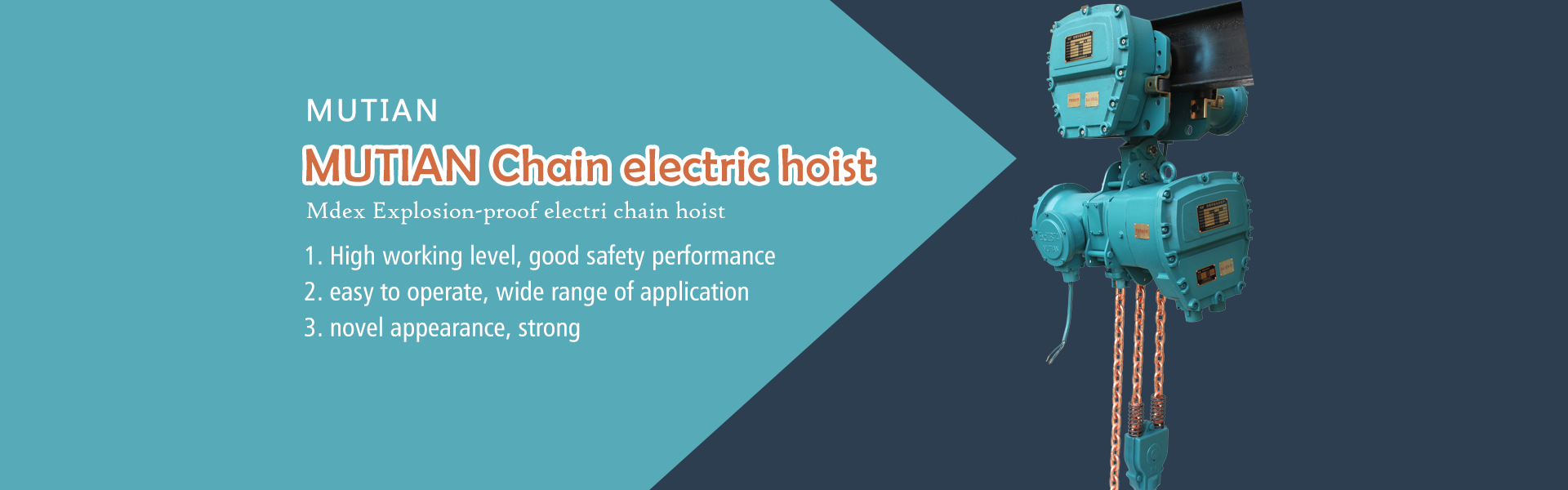
The main equipment produced by Hebei Makita: stage electric hoist, electric chian hoist, wire rope electric hoist,Hand chain hoist, lever hoist, pneumatic hoist and other lifting equipment
 phone
phone
 service
 message
 e-mail
