 中文版
中文版





releaseTime:2025-09-27 09:55:57source:Mu TiannumberOfPageViews:0
To prevent fatigue and damage of hydraulic winches, comprehensive measures need to be taken from multiple aspects such as design optimization, correct operation, regular maintenance, environmental control, and personnel training. The following are specific plans and implementation points:
1、 Design optimization: Enhance structural strength and reliability
Material selection and heat treatment
Select high-strength and fatigue resistant materials (such as alloy steel), and enhance the toughness of the components through heat treatment processes such as quenching and tempering.
Key components such as gears and bearings require surface hardening treatment to reduce the risk of wear and cracking.
Structural rationality design
Optimize the structure of the winch drum, bracket, etc. to avoid stress concentration. For example, the wall thickness of the drum should be uniform, and the welds should be polished smooth to reduce fatigue sources.
Using finite element analysis (FEA) to simulate stress conditions and detect design defects in advance.
Safety factor setting
Set a sufficient safety factor based on the load type (static, dynamic, impact), usually not less than 1.5 times the rated load.
For winches that frequently start and stop, additional consideration should be given to the impact of inertial forces on the structure.
2、 Correct operation: standardize the usage process
Avoid overloading and unbalanced loading
Strictly use according to the rated load and prohibit overloading operation.
Ensure even distribution of load and avoid structural deformation caused by one-sided force.
Smooth start stop and speed regulation
When starting and stopping, it is necessary to operate slowly to avoid impact loads caused by rapid acceleration/deceleration.
Use variable frequency speed regulation or proportional valve to control the hydraulic system and achieve smooth speed regulation.
No load operation inspection
Before each use, conduct a no-load test run to check the flexibility of components such as brakes and clutches.
Monitor for abnormal noise or vibration during operation, and promptly shut down for troubleshooting.
3、 Regular maintenance: preventive maintenance
Hydraulic system maintenance
Oil management: Regularly replace hydraulic oil (usually every 1000-2000 hours) and use filter cartridges to filter impurities.
Seal inspection: Check O-rings, oil seals and other seals every 3 months, and replace aging or damaged parts in a timely manner.
Pressure testing: Check the system pressure every six months to ensure that the pressure relief valve and overflow valve are working properly.
Lubrication of mechanical components
Friction parts such as gears and bearings need to be regularly lubricated with grease (such as lithium based grease) to reduce wear.
Chains and wire ropes need to be coated with specialized lubricants to prevent rusting and breakage.
Brake and clutch system inspection
Check the thickness of the brake friction plate every month, and replace it if the wear exceeds 50%.
Test the clutch engagement/disengagement function to ensure there is no slipping or jamming.
Non destructive testing of structural components
Ultrasonic or magnetic particle testing is conducted annually on key structural components such as drums and brackets to detect cracks.
Focus on inspecting the weld seam area and perform repair welding or reinforcement if necessary.
4、 Environmental control: reduce the impact of external factors
Temperature management
Avoid prolonged operation in high temperature (>60 ℃) or low temperature (<-20 ℃) environments, and install coolers or heaters if necessary.
The working temperature of hydraulic oil should be controlled between 40-60 ℃ to prevent changes in oil viscosity from affecting performance.
Anti corrosion measures
Apply anti rust paint to metal parts and avoid contact with oil or chemicals on non-metallic parts (such as rubber parts).
Use moisture-proof covers or desiccants in damp environments to prevent electrical components from getting damp.
Cleaning and Protection
Regularly clean the surface dust and debris of the winch to prevent them from entering the hydraulic system.
Install protective covers on winches used outdoors to reduce wind and rain erosion.
5、 Personnel training: Enhance operational and maintenance skills
Operation Training
Provide training on equipment principles, safety regulations, and emergency response to operators to ensure standardized operation.
Simulate fault scenarios such as overload and brake failure, and train operators' emergency response capabilities.
Maintenance training
Train maintenance personnel to master skills such as troubleshooting hydraulic systems and replacing seals.
Emphasize the importance of maintaining records and establish equipment health records.
6、 Monitoring and early warning: Real time monitoring of equipment status
Vibration and temperature monitoring
Install vibration sensors and temperature probes to monitor the operating status of components such as bearings and gears in real-time.
Set alarm threshold to automatically shut down when vibration or temperature exceeds the standard.
Oil analysis
Regularly sampling and testing hydraulic oil for metal particles, moisture, and other pollutants to determine the degree of component wear.
Adjust the maintenance cycle or replace components based on the analysis results.
Load monitoring
Real time monitoring of load using force sensors or torque meters to prevent overloading operation.
For dynamic load scenarios (such as lifting), a dynamic weighing system needs to be configured.
7、 Emergency Plan: Reduce the Risk of Sudden Malfunctions
Reserve of spare parts
Reserve commonly used vulnerable parts (such as seals and friction plates) to ensure quick replacement in case of failure.
Backup equipment can be configured for key components such as hydraulic motors to reduce downtime.
Fault handling process
Develop a detailed fault handling manual, specifying the steps for shutdown, troubleshooting, and repair.
Regularly practice emergency plans to improve team response speed.
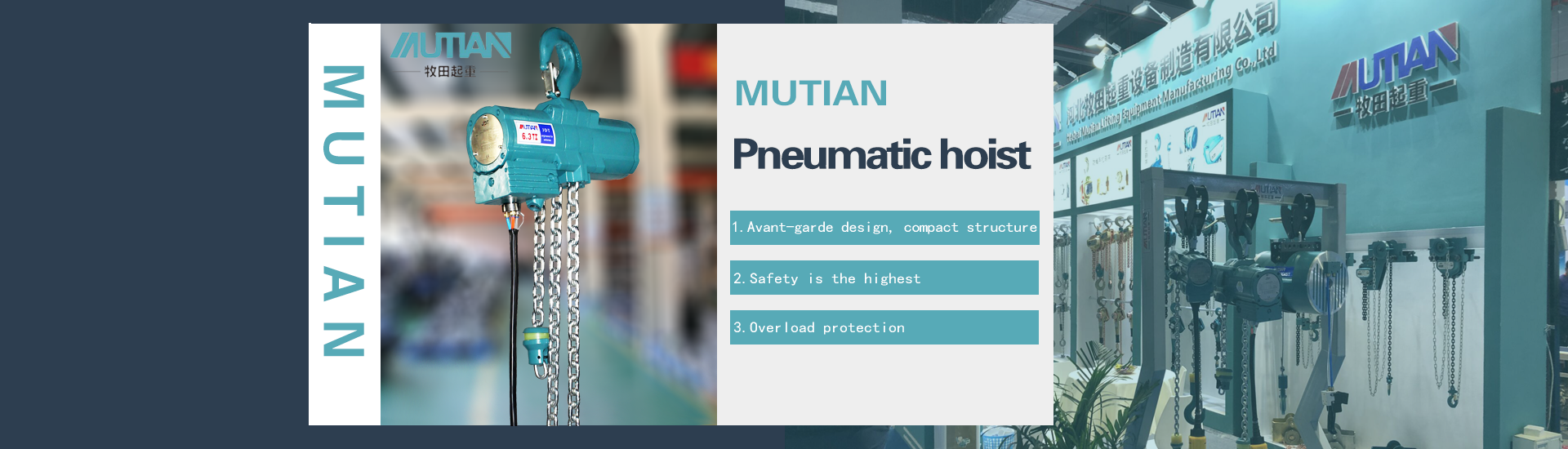
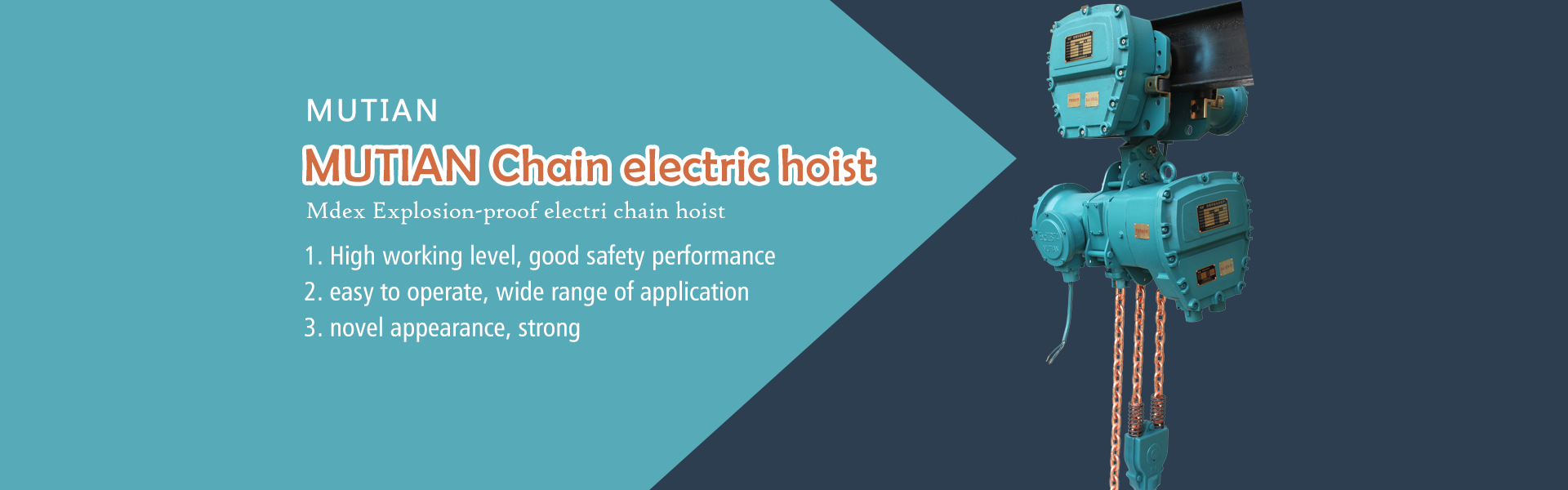
The main equipment produced by Hebei Makita: stage electric hoist, electric chian hoist, wire rope electric hoist,Hand chain hoist, lever hoist, pneumatic hoist and other lifting equipment
 phone
phone
 service
 message
 e-mail
