 中文版
中文版





releaseTime:2025-10-20 08:49:34source:Mu TiannumberOfPageViews:0
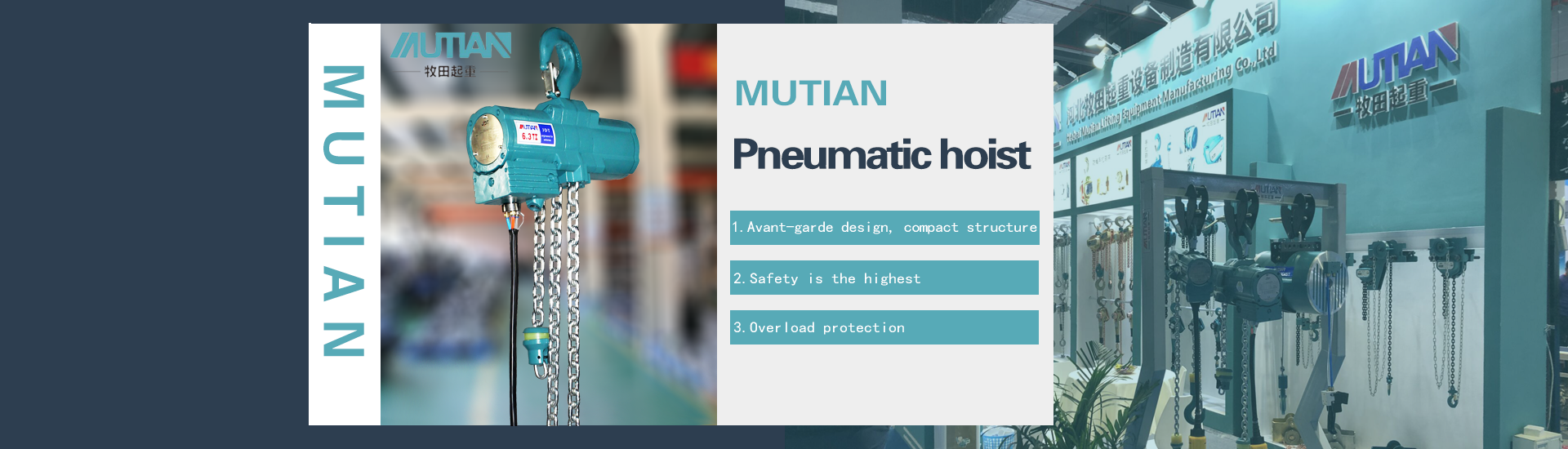
To prevent fatigue damage to running pneumatic hoists, a comprehensive approach encompassing design, operation, maintenance, and environmental control is essential. Here are the key aspects to consider:
1. Design and Component Selection
Material Quality: Opt for high-strength, durable materials for critical components like chains, forks, and wheelsets. This enhances resistance to wear and fatigue.
Modular Design: Choose components that are easily disassembled for quick replacement and maintenance, reducing downtime and facilitating targeted repairs.
Vibration Isolation: Install shock absorbers in high-vibration environments to minimize dynamic stress on the hoist chain and other moving parts.
2. Operation Practices
Load Management: Avoid overloading the hoist beyond its rated capacity. Use overload sensors or limit switches to prevent excessive stress on components.
Smooth Operation: Minimize rapid cycling and abrupt starts/stops, which can accelerate fatigue. Train operators to handle loads gently and evenly.
Path Planning: In narrow spaces, plan transportation paths to avoid frequent turning, which may cause tire wear or frame deformation.
3. Maintenance Strategies
Regular Inspections:
Daily: Check for obvious damage, deformation, or leaks in connecting parts like hoses and joints.
Weekly: Clean surface oil stains, lubricate moving parts (e.g., chains, pulleys), and inspect hydraulic oil levels and quality.
Monthly: Verify hydraulic cylinder sealing, brake system sensitivity, and adjust brake pad clearance as needed.
Annually: Disassemble and inspect key components (e.g., frame, forks) for stress or wear, replacing high-strength steel parts if necessary.
Preventive Replacement: Regularly replace consumables like wire ropes, brake linings, and hydraulic oil to prevent overloading and fatigue.
Lubrication: Ensure moving parts are adequately lubricated to reduce friction and wear. Clean components before applying new lubricant.
4. Environmental Control
Corrosion Protection: In humid or corrosive environments, use corrosion-resistant materials or coatings (e.g., galvanizing, painting) to prevent surface degradation.
Temperature Management: Avoid operating the hoist at temperatures outside its recommended range, as extreme conditions can affect material properties and fatigue life.
Clean Storage: When not in use, store the hoist in a dry, ventilated area away from fire sources and corrosive substances. Regularly check storage conditions.
5. Safety and Monitoring Systems
Overload Protection: Install sensors or limit switches to prevent the hoist from exceeding its rated capacity.
Emergency Procedures: Develop plans for chain breakage or other failures, including shutdown, isolation, and rescue steps. Keep spare chains and tools on hand.
Intelligent Monitoring: Use sensors to track load cycles, operating hours, and stress levels, enabling proactive maintenance.
6. Operator Training and Awareness
Skill Development: Train operators on proper hoist use, including load handling, emergency procedures, and safety protocols.
Safety Culture: Foster awareness of fatigue-related risks and encourage reporting of unusual noises, vibrations, or performance issues.
7. Documentation and Record-Keeping
Usage Logs: Maintain records of load cycles, operating hours, and maintenance activities to track fatigue accumulation and schedule timely interventions.
Inspection Logs: Document inspection findings and corrective actions to ensure accountability and continuous improvement.
The main equipment produced by Hebei Makita: stage electric hoist, electric chian hoist, wire rope electric hoist,Hand chain hoist, lever hoist, pneumatic hoist and other lifting equipment
 phone
phone
 service
 message
 e-mail
