 中文版
中文版





releaseTime:2025-08-29 09:54:53source:Mu TiannumberOfPageViews:0
When using hydraulic forklifts, comprehensive consideration should be given to five core dimensions: operating standards, safety protection, equipment maintenance, environmental adaptation, and personnel training to ensure operational efficiency, personnel safety, and equipment lifespan. The following are specific precautions:
1、 Operating standards: Ensure standardized workflow
Load management
Overloading is strictly prohibited: Operate according to the rated load indicated on the forklift nameplate. Overloading can cause excessive pressure in the hydraulic system, leading to oil pipe rupture, fork deformation, and even vehicle overturning.
Avoid uneven loading: The center of gravity of the goods should be located as close as possible to the center of the fork, as uneven loading can exacerbate tire wear and increase the risk of rollover.
Uniform stacking: Goods should be stacked neatly to prevent slipping and injuring personnel or damaging equipment during transportation.
ride control
Speed limit driving: In narrow spaces such as warehouses and workshops, the speed should be controlled within 5km/h. When turning, slow down and sound the horn as a warning.
Do not apply sudden brakes: Sudden braking may cause the goods to tilt or the hydraulic system to impact, and slow down smoothly.
Slope operation: When going uphill, the fork should be in front, and when going downhill, the fork should be in the back to avoid sliding of goods; It is strictly prohibited to turn or park on the slope.
Lifting operation
Slow lifting: When lifting or lowering the fork, it should be operated at a constant speed to avoid sudden changes in hydraulic system pressure caused by rapid movements.
No personnel allowed: It is strictly prohibited to stand on forks and shelves to prevent falling due to equipment failure or operational errors.
Height restriction: The lifting height of the fork shall not exceed the height limit mark of the gantry to avoid collision with obstacles above.
2、 Security Protection: Building Multiple Protection Systems
Personal Protective Equipment (PPE)
Operators must wear safety helmets, anti slip safety shoes, reflective vests, and use goggles and gloves if necessary.
When working in noisy environments, it is necessary to wear earplugs or earmuffs.
Equipment safety device
Top protection frame: Ensure the integrity of the top protection frame structure, without deformation or cracks, and prevent falling objects from injuring operators.
Speed limiter: Electric forklifts need to be equipped with speed limiting devices to prevent speeding.
Emergency braking: Regularly check the sensitivity of the braking system to ensure quick stopping in emergency situations.
Warning lights and horn: When driving, the warning lights should be turned on and the horn should be used to remind people around to pay attention.
Safe working environment
Ground leveling: Avoid working on potholes, slopes, or soft ground to prevent forklifts from overturning.
Smooth passage: Keep the width of the work area passage not less than 1.5 times the turning radius of the forklift, and remove obstacles.
Fire and explosion prevention: Use explosion-proof electric forklifts in flammable and explosive environments, and equip them with fire extinguishing equipment.
3、 Equipment maintenance: key to extending service life
routine inspection
Hydraulic system: Check the oil level, oil quality, and oil pipe connections for oil leakage, and regularly replace the hydraulic oil and filter element.
Electrical system: Check battery level, loose wiring, clean motor and controller dust.
Mechanical components: Check tire wear, brake pad thickness, fork and door frame deformation.
Lubrication and maintenance: Regularly apply lubricating grease to moving parts such as chains and bearings to reduce wear.
regular maintenance
Weekly maintenance: Clean the surface of the forklift and inspect the hydraulic cylinder piston rod for scratches or corrosion.
Monthly maintenance: Check the performance of the brake system and adjust the brake pad clearance; Check the flexibility of the steering system.
Annual maintenance: Entrust a professional organization to conduct a comprehensive inspection of the forklift, including hydraulic system pressure testing, electrical system insulation testing, etc.
Fault handling
Immediate shutdown: If any abnormal noise, oil leakage, or inability to lift the fork is detected, immediately stop the operation and investigate the cause.
Professional maintenance: Non professionals are strictly prohibited from disassembling hydraulic systems or electrical components. Contact the manufacturer or authorized repairer for assistance.
4、 Environmental adaptation: matching different homework scenarios
Indoor homework
Choose an electric hydraulic forklift to avoid air pollution caused by exhaust emissions from internal combustion forklifts.
Install dust filters to reduce the damage of dust to the electrical system.
Use low-temperature hydraulic oil in low-temperature environments to prevent oil solidification.
Outdoor homework
Choose an internal combustion forklift or a four-wheel electric forklift to ensure sufficient power and passability.
Install rain covers or waterproof motors to prevent rainwater from entering the electrical system.
Use anti rust coatings in humid environments to extend the lifespan of metal components.
special environment
Cold storage operation: Use low-temperature resistant hydraulic oil and batteries, equipped with heating devices to prevent equipment from freezing.
Clean room operation: Choose a dust-free design forklift and equip it with an electrostatic elimination device.
Dangerous goods operation: Use explosion-proof forklifts and equip them with explosion-proof tools and protective clothing.
5、 Personnel training: Enhance operational skills and safety awareness
Theoretical training
Learn the structural principles, operating procedures, safety precautions, and emergency response methods of hydraulic forklifts.
Understand common faults and troubleshooting methods of hydraulic systems, electrical systems, and mechanical components.
Practical training
Practice practical exercises such as cargo handling, stacking, and turning under the guidance of professional coaches.
Simulate emergency situations (such as cargo dumping, equipment failure) for emergency drills.
Assessment and Certification
After passing theoretical exams and practical assessments, a certificate of operation will be issued and certified for employment.
Regular refresher training to update safety knowledge and operational skills.
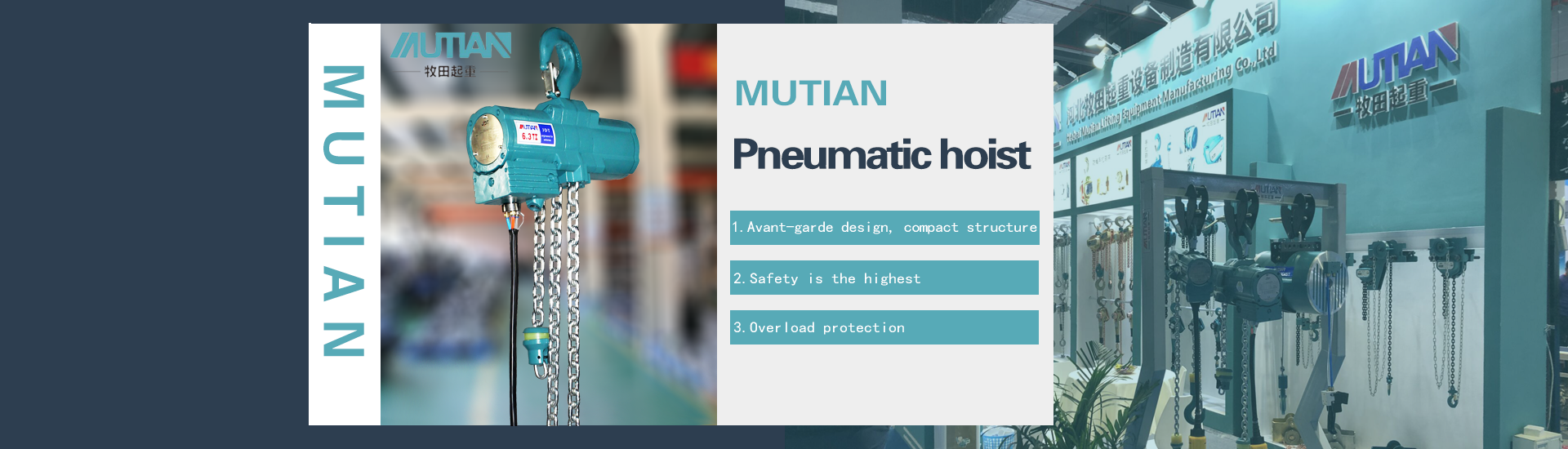
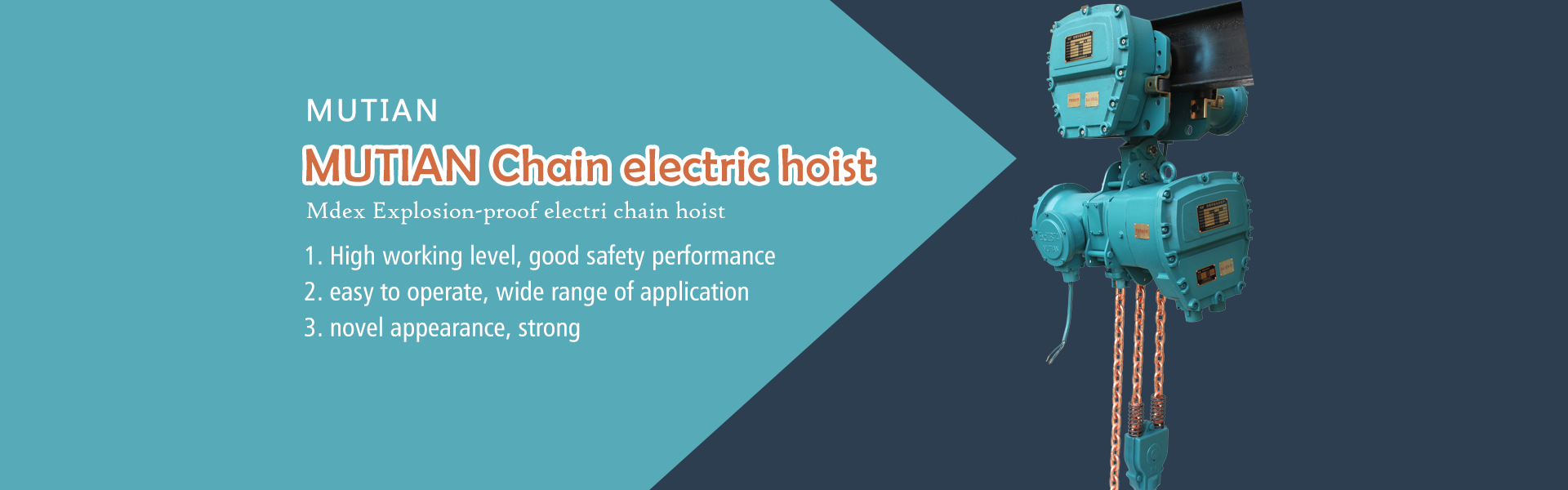
The main equipment produced by Hebei Makita: stage electric hoist, electric chian hoist, wire rope electric hoist,Hand chain hoist, lever hoist, pneumatic hoist and other lifting equipment
 phone
phone
 service
 message
 e-mail
