 中文版
中文版




releaseTime:2025-09-11 09:16:58source:Mu TiannumberOfPageViews:0
When selecting, installing, using, and maintaining a hydraulic hoist, it is necessary to comprehensively consider various factors such as performance parameters, safety design, environmental adaptability, operational convenience, and maintenance costs to ensure efficient, safe, and stable operation of the equipment. The following are specific points to consider:
1、 Performance parameter matching
load capacity
Choose the rated load according to actual needs, taking into account dynamic loads (such as impact force) and safety factors (usually taken as 1.2-1.5 times).
For example, when lifting heavy machinery, it is necessary to choose a hydraulic hoist with a load capacity higher than the equipment weight and reserve a safety margin.
Raise altitude and travel distance
Confirm whether the maximum lifting height of the equipment meets the operational requirements and avoid secondary adjustments due to insufficient travel.
For example, in a warehouse stacking scenario, it is necessary to select a hydraulic hoist with the appropriate stroke based on the height of the shelves.
increase speed
According to the requirements of homework efficiency, choose to increase the speed, but balance the speed and stability (too fast may cause shaking).
For example, hydraulic elevators on production lines require quick response, while precision installation scenarios require slow and smooth lifting.
Control method
Manual control: suitable for simple, low-frequency operations, with low cost but limited operational accuracy.
Electric control: Operated through buttons or remote control, suitable for mid-range operations and improving efficiency.
PLC intelligent control: supports programming to set action sequences, suitable for automated production lines or complex working conditions.
2、 Security Design
overload protection
Equipped with hydraulic safety valves or electronic load limiting devices, the lifting will automatically stop when the load exceeds the rated value to prevent equipment damage or overturning.
For example, hydraulic gantry cranes require real-time monitoring of the load through pressure sensors, triggering an alarm and shutting down when overloaded.
fall arrest device
Install brakes or hydraulic locks to ensure that the load does not suddenly drop in the event of a power outage or malfunction.
For example, the high-altitude work platform needs to be equipped with a dual braking system, and the backup brake will take effect immediately when the main brake fails.
Emergency stop function
Set up a prominent red emergency stop button to quickly cut off power or hydraulic circuits under any operating conditions.
For example, when working in hazardous areas such as chemical workshops, the emergency stop function needs to respond within 1 second.
structural stability
The base should be wide enough and have a low center of gravity to prevent tipping over; The column or boom should be made of high-strength materials (such as Q345B steel).
For example, a mobile hydraulic hoist needs to expand the base area through counterweights or support legs to enhance stability.
3、 Environmental adaptability
temperature range
Hydraulic oil needs to adapt to the operating environment temperature. Low viscosity oil (such as HV32) should be selected for low temperatures, and high viscosity oil (such as HM68) should be selected for high temperatures.
For example, outdoor work in northern winter requires heating devices to prevent hydraulic oil from solidifying.
Corrosion and dust prevention
In humid and corrosive environments (such as beaches and chemical plants), stainless steel material or galvanized treatment should be used, and dust covers should be installed.
For example, the piston rod of a hydraulic cylinder needs to be plated with hard chromium to prevent salt spray corrosion.
Explosion proof design
In flammable and explosive places such as coal mines and oil depots, explosion-proof motors, hydraulic valves, and electrical components should be selected, and anti-static materials should be used.
For example, explosion-proof hydraulic elevators need to pass Ex d IIB T4 certification to ensure safety.
space constraints
Select equipment size based on the size of the work site, and choose a compact design (such as a column type hydraulic hoist) for narrow spaces.
For example, hydraulic elevators with foldable or modular design should be selected for operations in elevator shafts.
4、 Operational convenience
human-machine interface
The control panel should have a reasonable layout, clear button labeling, and support Chinese or graphic operation guides.
For example, an intelligent hydraulic hoist can be equipped with a touch screen that displays information such as load, height, and fault codes.
mobility
Mobile devices need to be equipped with universal wheels or tracks for easy transfer between different workstations; Fixed equipment needs to consider installation convenience.
For example, hydraulic elevators used in warehouses can be equipped with electric drive wheels to achieve autonomous walking.
Noise control
Choose low-noise hydraulic pumps and motors, or install mufflers to reduce the impact on operators.
For example, indoor work scenarios need to control noise below 75dB.
5、 Maintenance and Cost
maintenance cycle
Hydraulic oil needs to be replaced regularly (usually every 1000-2000 hours), and the filter element needs to be cleaned or replaced every 500 hours.
For example, hydraulic hoists used frequently need to shorten maintenance cycles to ensure system cleanliness.
Supply of vulnerable parts
Choose universal and easy to purchase seals, hydraulic valves, and other accessories to reduce downtime.
For example, prioritize selecting standard sized O-rings to avoid maintenance delays caused by customized parts.
Energy consumption and efficiency
Choose efficient motors and variable displacement pumps to reduce energy consumption; Optimize hydraulic circuit design to reduce pressure loss.
For example, a hoist using a servo hydraulic system can save 20% -30% energy.
life cycle cost
Taking into account the purchase price, maintenance cost, energy consumption, and service life of the equipment, choose products with high cost-effectiveness.
For example, although imported brands are expensive, they have a long lifespan, low failure rate, and may have lower long-term costs.
6、 Compliance and Certification
Standards compliance
The equipment must comply with national or industry standards (such as GB/T 3811-2008 "Code for Design of Cranes").
For example, export equipment must pass CE certification and meet EU safety requirements.
Inspection and Testing
Before purchasing, the supplier is required to provide load test reports, safety certification documents, and factory inspection records.
For example, a hydraulic hoist needs to pass a static load test at 125% rated load and a dynamic load test at 110% rated load.
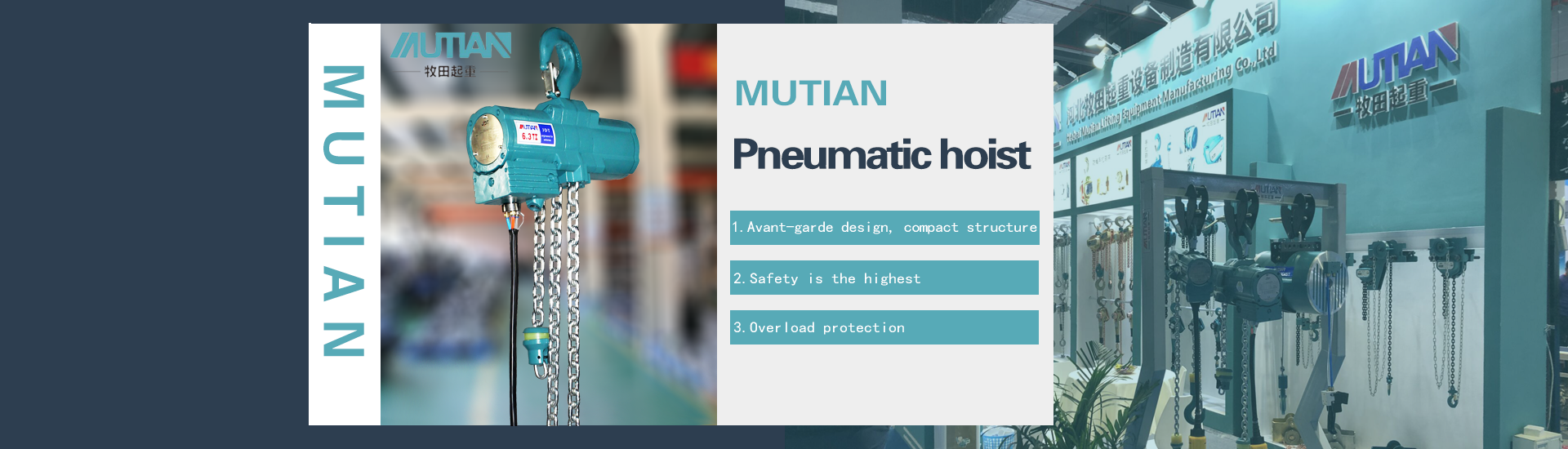
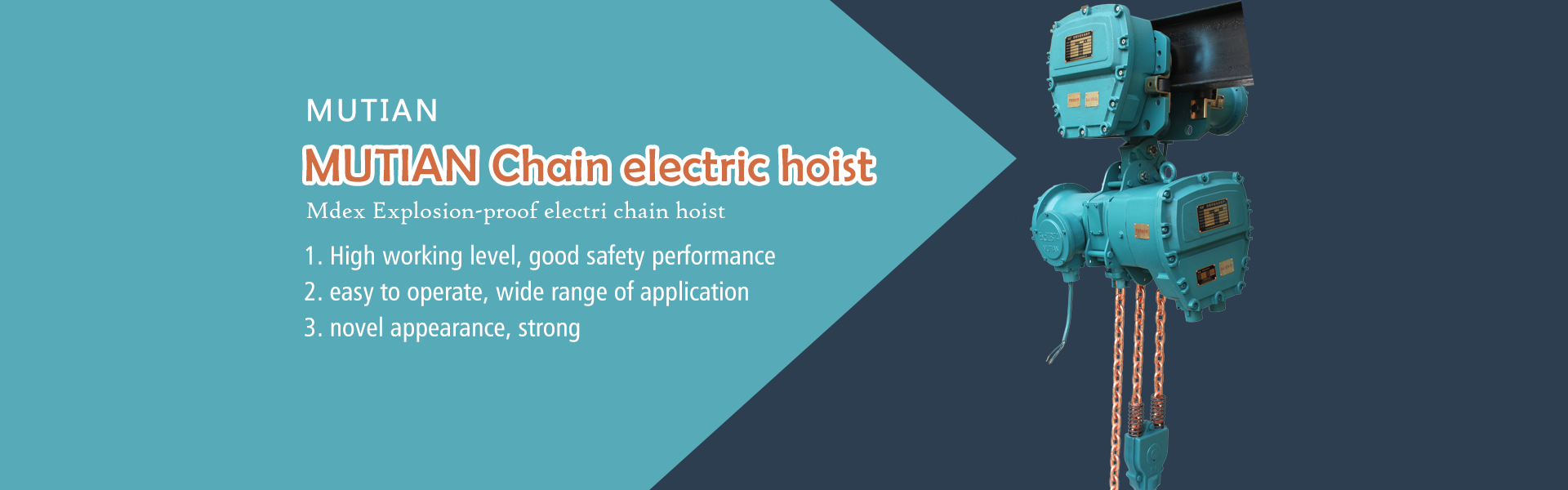
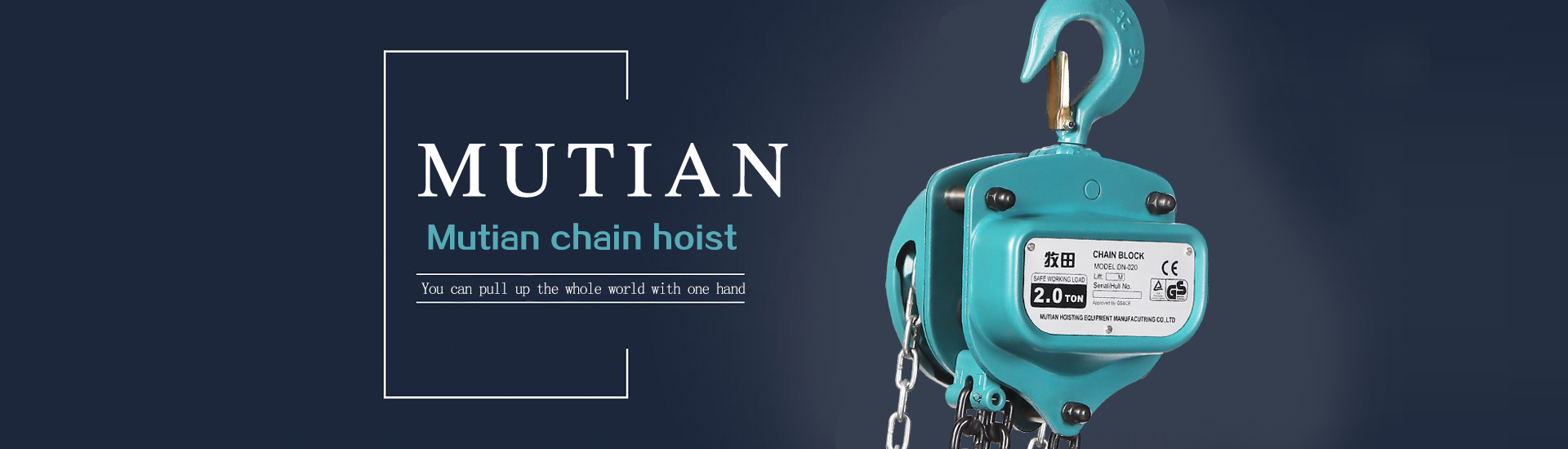
The main equipment produced by Hebei Makita: stage electric hoist, electric chian hoist, wire rope electric hoist,Hand chain hoist, lever hoist, pneumatic hoist and other lifting equipment
 phone
phone
 service
 message
 e-mail
