 中文版
中文版




releaseTime:2025-11-03 08:12:39source:Mu TiannumberOfPageViews:0
When using a European steel wire rope electric hoist, several critical precautions must be observed to ensure safety, efficiency, and longevity. Below are the key considerations:
1. Pre-Operation Inspection
Wire Rope Condition:
Check for fraying, kinks, or corrosion. Replace immediately if any damage is found.
Ensure proper lubrication to reduce wear.
Hook Integrity:
Inspect hooks for cracks, deformation, or excessive wear. Use a latch to prevent load slippage.
Brake System:
Test brakes for responsiveness. Faulty brakes can lead to uncontrolled load descent.
Electrical Components:
Verify wiring insulation, connectors, and control buttons for damage.
Ensure grounding is secure to prevent electric shocks.
Limit Switches:
Test upper and lower limit switches to prevent overtravel and structural damage.
2. Load Handling
Capacity Limits:
Never exceed the rated load capacity. Overloading can cause rope failure or hoist damage.
Load Stability:
Secure loads properly to prevent shifting during lifting. Use slings or gripping devices if needed.
Lifting Angle:
Avoid side-loading or oblique pulls, which can distort the rope and reduce lifespan.
Sudden Movements:
Avoid jerky starts/stops to prevent shock loading, which strains the rope and motor.
3. Operating Environment
Temperature Range:
Operate within the specified temperature limits (typically -20°C to +40°C). Extreme cold can stiffen ropes, while heat may degrade insulation.
Corrosive Environments:
In chemical plants or coastal areas, use stainless steel or corrosion-resistant coated ropes.
Flammable Atmospheres:
Use explosion-proof hoists if operating near flammable gases or dust.
Outdoor Use:
Protect the hoist from rain, snow, or direct sunlight with covers if not rated for outdoor use.
4. Safety Measures
Personal Protective Equipment (PPE):
Operators must wear hard hats, safety glasses, gloves, and steel-toe boots.
Clear Work Area:
Ensure no personnel are under the load during lifting. Mark exclusion zones.
Emergency Stop:
Familiarize with the emergency stop function and keep it accessible.
Remote Control Safety:
If using wireless controls, ensure they are within range and avoid interference.
5. Maintenance & Storage
Lubrication:
Regularly lubricate the wire rope, bearings, and gears as per the manufacturer’s schedule.
Tension Adjustment:
Periodically check and adjust rope tension to prevent slack or over-tightening.
Storage Conditions:
Store in a dry, clean environment. Coil the rope neatly to avoid kinks.
Replacement Parts:
Use genuine spare parts (e.g., ropes, hooks, brakes) to maintain performance.
6. Training & Compliance
Operator Training:
Ensure operators are trained in safe hoist operation, including load calculation and emergency procedures.
Regulatory Standards:
Adhere to local safety regulations (e.g., OSHA, CE, or ISO standards).
Documentation:
Maintain records of inspections, maintenance, and repairs for compliance audits.
7. Common Mistakes to Avoid
Using Damaged Equipment:
Do not operate if any component (rope, hook, brake) is compromised.
Improper Lifting Techniques:
Avoid swinging loads or lifting from an uneven surface.
Neglecting Maintenance:
Skipping regular checks can lead to sudden failures.
Modifying the Hoist:
Never alter the hoist’s design or capacity without manufacturer approval.
8. Advanced Features (If Applicable)
Variable Frequency Drive (VFD):
If equipped, use VFD for smooth acceleration/deceleration to reduce load stress.
Load Monitoring Systems:
Utilize built-in sensors to track load weight and prevent overloading.
Anti-Sway Technology:
Engage anti-sway functions (if available) for precise positioning.
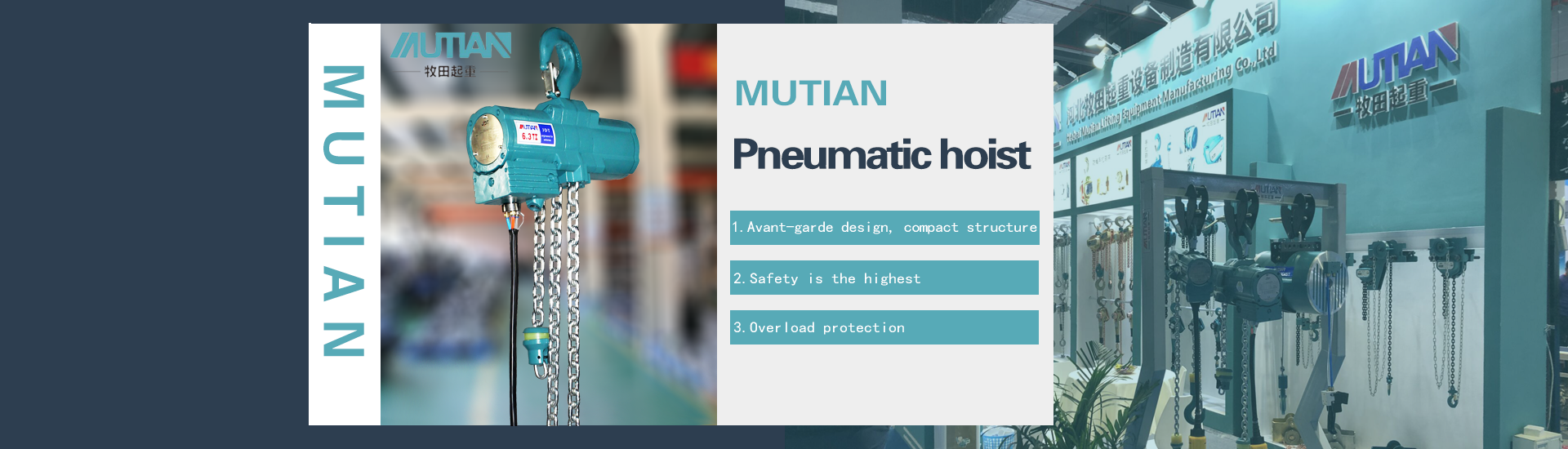
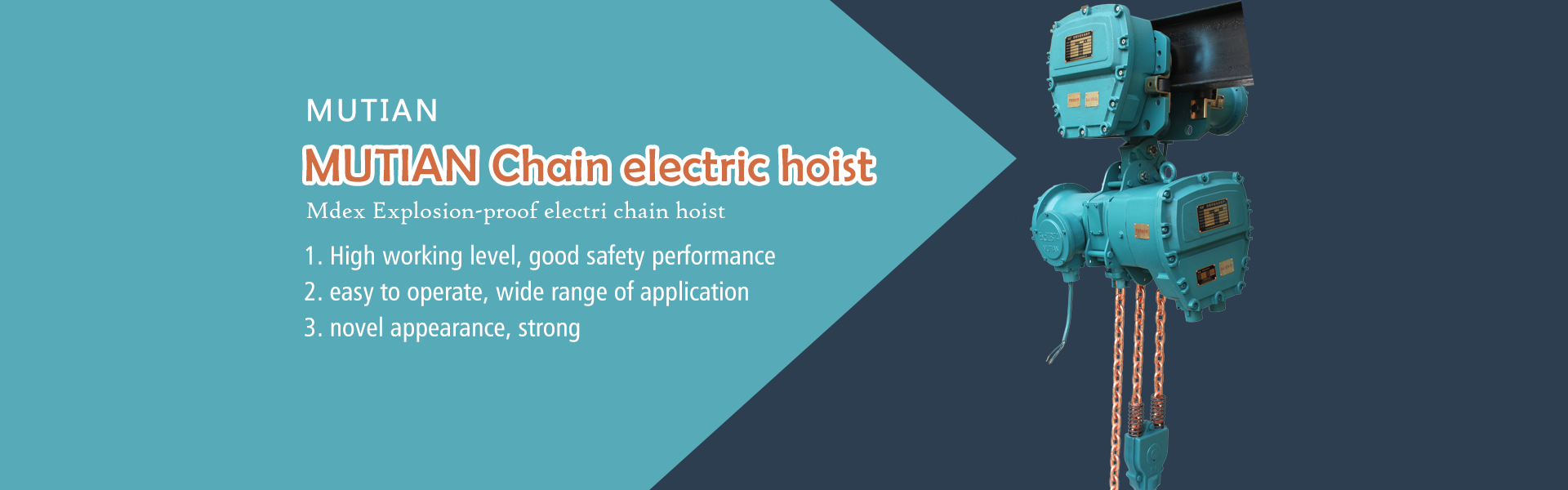
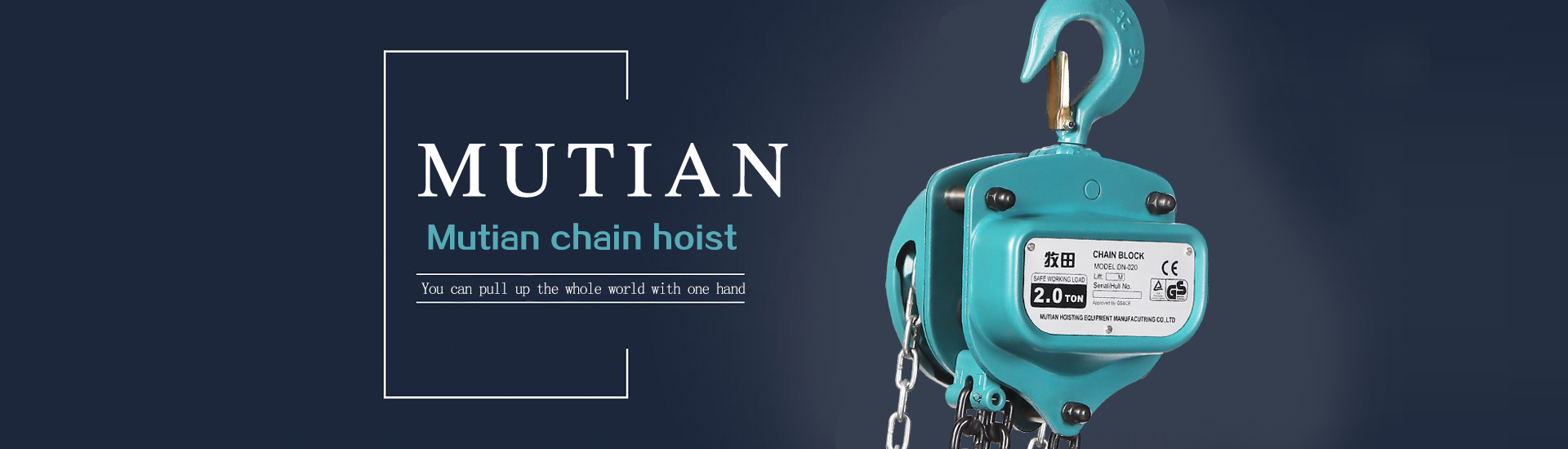
The main equipment produced by Hebei Makita: stage electric hoist, electric chian hoist, wire rope electric hoist,Hand chain hoist, lever hoist, pneumatic hoist and other lifting equipment
 phone
phone
 service
 message
 e-mail
