 中文版
中文版




releaseTime:2025-12-03 08:26:15source:Mu TiannumberOfPageViews:0
When purchasing a high-quality and reliable electric hoist, the following key points should be considered to ensure safety, efficiency, and longevity:
1. Lifting Capacity and Height
Capacity: Select a hoist with a lifting capacity that exceeds the maximum weight you need to lift, ensuring a safety margin. Electric hoists range from small models (e.g., 125 kg) to heavy-duty ones (several tons).
Height: Ensure the hoist's chain or rope length meets your lifting height requirements, allowing for adequate vertical movement without strain.
2. Duty Cycle and Speed
Duty Cycle: Choose a hoist with a duty cycle (e.g., S2, S3, S4) that matches your operational frequency. Heavy-duty applications require hoists designed for continuous or frequent use.
Speed: Consider lifting and lowering speeds. Faster speeds may reduce operation time but require robust braking systems for safety.
3. Environmental Adaptability
Temperature Resistance: For high-temperature environments (e.g., foundries), select hoists with heat-dissipation features to prevent overheating. In cold climates, opt for low-temperature-resistant components to avoid cracking.
Corrosion Resistance: In humid or corrosive settings (e.g., coastal areas), choose hoists with stainless steel or corrosion-resistant coatings to extend lifespan.
Dust and Debris: Ensure the hoist is sealed against dust ingress if used in dusty environments, protecting internal components.
4. Safety Features
Overload Protection: Essential to prevent hoist damage and accidents. This feature automatically stops the hoist if the load exceeds its rated capacity.
Emergency Stop: A clearly marked emergency stop button allows immediate halting of operations in critical situations.
Limit Switches: Upper and lower limit switches prevent chain/rope overtravel, avoiding damage to the hoist or load.
Braking System: A reliable braking system (e.g., electromagnetic or mechanical) ensures the load remains secure when power is cut.
5. Material and Build Quality
Load Chain/Rope: Opt for high-quality alloy steel chains or ropes resistant to wear, fatigue, and abrasion. Chains are preferred for harsh environments due to their durability.
Housing: The hoist housing should be robust, typically made of steel or aluminum, to protect internal components from external impacts.
Hooks: Hooks should be forged and heat-treated for strength, with safety latches to prevent accidental disengagement of the load.
6. Ease of Maintenance
Accessibility: Choose hoists with easily accessible components (e.g., chains, brakes, gears) for routine inspection and maintenance.
Spare Parts Availability: Ensure spare parts are readily available from the manufacturer or suppliers to minimize downtime during repairs.
Lubrication Points: Hoists with designated lubrication points simplify maintenance, prolonging component life.
7. Power Supply and Compatibility
Voltage and Phase: Verify the hoist's voltage (e.g., single-phase 110V/220V, three-phase 380V/440V) matches your power supply to avoid electrical issues.
Control Options: Consider whether you need a pendant control, wireless remote, or integration with an existing control system for operational flexibility.
8. Installation and Mounting
Mounting Options: Ensure the hoist can be mounted as required (e.g., ceiling-mounted, wall-mounted, or trolley-mounted) to fit your workspace layout.
Support Structure: Verify that your support structure (e.g., beams, cranes) can bear the hoist's weight and the maximum load it will lift.
9. After-Sales Support and Warranty
Manufacturer Reputation: Choose a reputable manufacturer with a proven track record in producing reliable electric hoists.
Warranty: A longer warranty period (e.g., 1–3 years) indicates the manufacturer's confidence in their product's quality.
Technical Support: Ensure the manufacturer offers prompt technical support and assistance for troubleshooting or repairs.
10. Compliance with Standards
Certifications: Check for compliance with international or local safety standards (e.g., CE, ISO, OSHA) to ensure the hoist meets regulatory requirements.
Industry-Specific Standards: For specialized applications (e.g., food processing, pharmaceuticals), ensure the hoist meets hygiene or cleanliness standards.
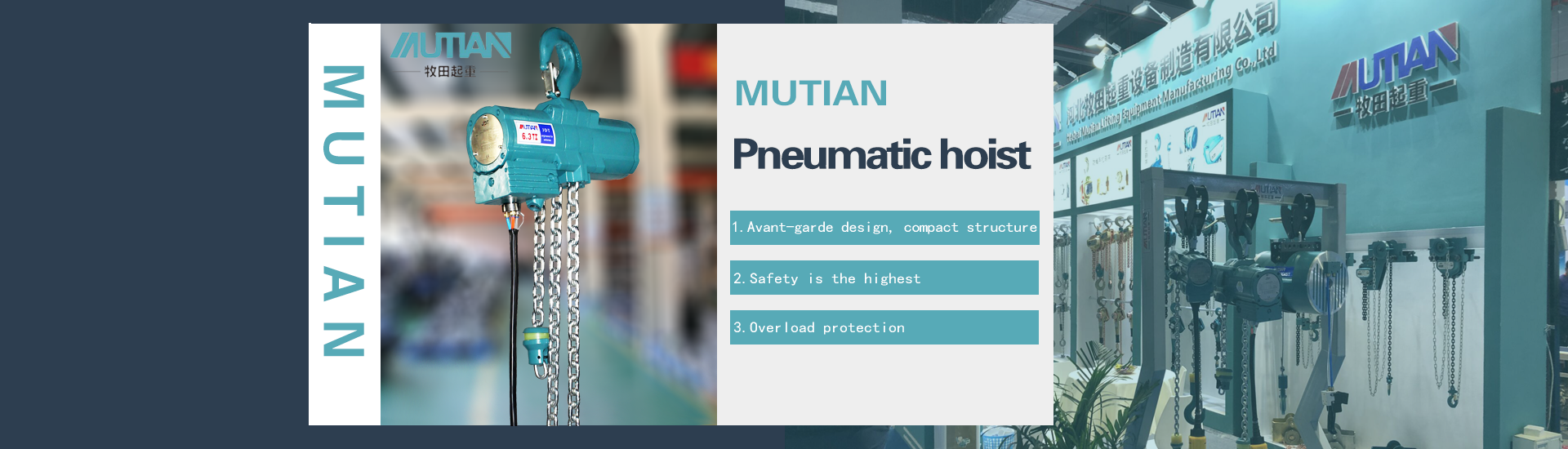
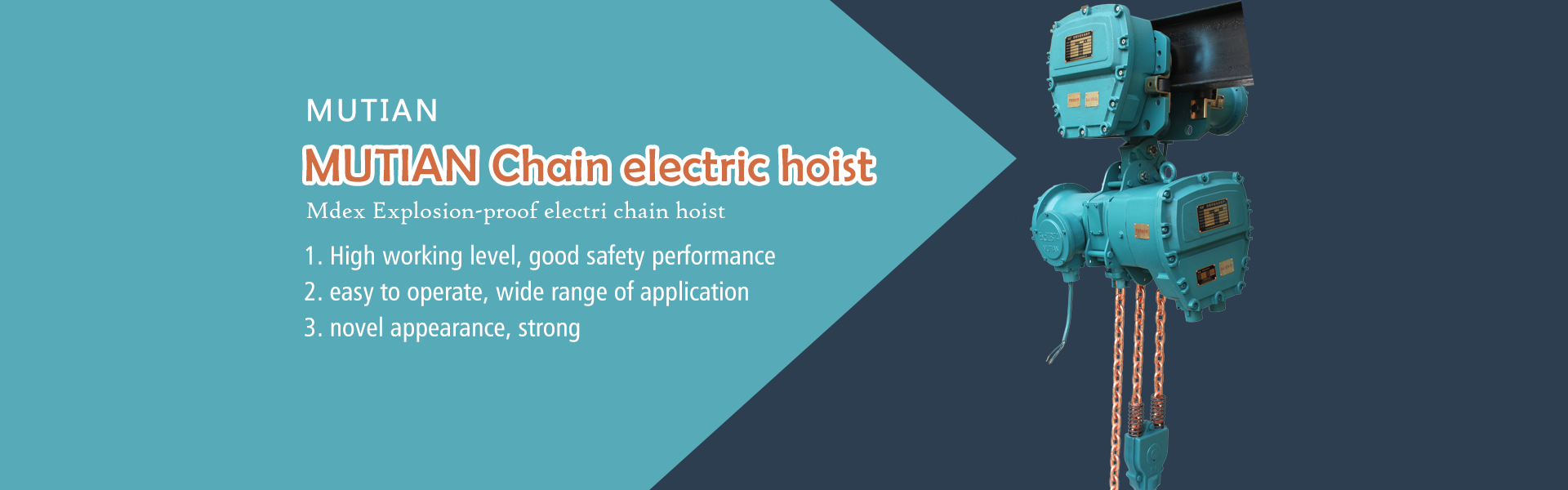
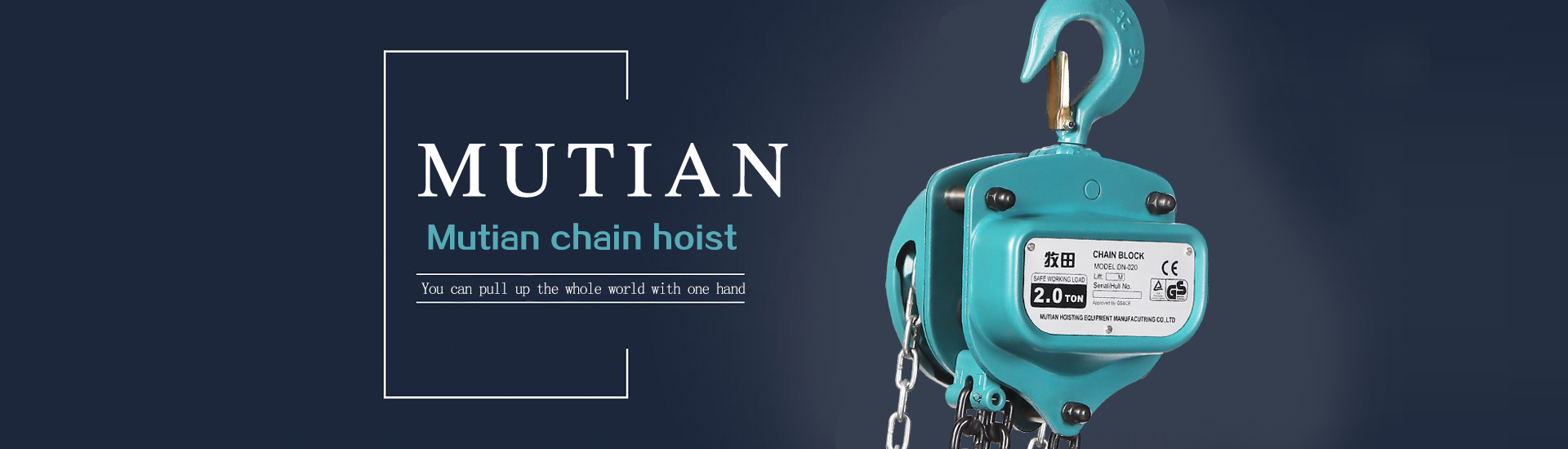
The main equipment produced by Hebei Makita: stage electric hoist, electric chian hoist, wire rope electric hoist,Hand chain hoist, lever hoist, pneumatic hoist and other lifting equipment
 phone
phone
 service
 message
 e-mail
