 中文版
中文版




releaseTime:2025-10-13 08:43:59source:Mu TiannumberOfPageViews:0
When using and maintaining emulsion lifting equipment, strict control should be taken from four aspects: operating specifications, emulsion management, hydraulic system maintenance, and safety protection. Specific precautions are as follows:
1、 Operating standards
Pre startup inspection
Confirm that the equipment is in a stable and level state, avoiding tilting that may cause liquid overflow or air intake.
Check whether the cooling water or lubricating fluid of the mechanical seal is unobstructed to prevent leakage caused by seal failure.
Confirm that all connecting components are securely fastened and there is no jamming during manual turning to ensure smooth operation of the equipment.
Monitoring during operation
Real time observation of instrument data such as pressure gauges and thermometers. If unstable pressure, pipeline shaking, or abnormal noise is found, immediately stop the machine to investigate the cause (such as low nitrogen pressure in the accumulator, clogged suction filter, etc.).
Overloading operation is strictly prohibited to avoid equipment damage or safety accidents caused by overload.
Post shutdown processing
After production is completed, press the function keys on the operation panel to enter the cleaning mode, inject clean water into the hopper, and discharge the residual raw materials in the pipeline.
Open the discharge door, remove the knife, mesh plate, sleeve and other components, turn off the main power, dry the surface of the equipment and add lubricating oil.
2、 Emulsion management
Water quality control
Use soft water or deionized water to prepare the emulsion, avoiding the reaction of calcium and magnesium ions in hard water with emulsifiers to form precipitates, which can affect the stability of the emulsion.
The conductivity of the water used for liquid preparation should be below 800 μ S/cm, and the chlorine content should not exceed 100ppm to prevent corrosion of workpieces and equipment.
Concentration and pH value
The emulsion concentration needs to be maintained at 3% -5% (adjusted according to equipment requirements). A low concentration will reduce lubricity, while a high concentration will increase costs.
The pH value should be maintained between 8.5-9.0. Acidity can cause rusting of the workpiece, while alkalinity can damage the structure of the emulsifier.
temperature control
The working temperature should not exceed 40 ℃. If the temperature is too high, it will accelerate the evaporation of water, leading to an increase in hardness and salt crystallization; Low temperature will reduce lubricity.
Winter measures should be taken to prevent the emulsion from freezing, expanding, and damaging the pipeline.
regular replacement
Add new liquid daily according to the processing volume, and increase the frequency of replenishment when the processing volume is large.
When the emulsion exhibits phenomena such as oil separation, soap separation, discoloration, odor or non emulsification, it needs to be replaced immediately.
3、 Hydraulic system maintenance
Prevent air intrusion
After maintenance and oil change, remove the air from the system according to the instructions, ensure that the hydraulic oil pump suction pipe does not expose the oil surface, and the suction pipeline is well sealed.
When adding hydraulic oil, use filtering equipment to avoid the oil pump being emptied.
Prevent water intrusion
Strengthen the monitoring of water content in oil. Hydraulic oil containing water needs to be filtered multiple times, and the filter paper should be replaced every time it is filtered.
It is recommended to use weather resistant tents for outdoor equipment, and install dryers with oil tank breathing holes. If conditions permit, "super adsorption" drying filters can be installed in the system.
Regular inspection and replacement
Check fasteners (such as stators, couplings, anchor bolts, etc.) weekly for looseness.
Measure the gap between the rotor and stator using a feeler gauge every quarter, and compare it with the factory standard or last record. If the gap is too large due to wear (such as exceeding 0.5mm), it needs to be replaced.
Conduct a comprehensive disassembly inspection and cleaning of the equipment every year, and replace all vulnerable parts (such as seals, bearings, etc.).
4、 Security protection
Electrical safety
Ensure that the gas concentration near the motor and switch does not exceed 1.5%, otherwise operation is strictly prohibited.
When an electric shock accident occurs, immediately cut off the power supply and provide on-site rescue to the person who has been electrocuted.
Mechanical safety
Prevent foreign objects from falling into the hopper during operation to avoid damaging the cutting tools.
When abnormal noise or vibration is detected, immediately stop the machine and notify the maintenance personnel.
emergency response
Develop emergency plans for accidents such as fires, overturning, and falls from heights, and regularly organize drills.
When an accident occurs, immediately cut off the power supply, take measures such as jacks and lifting equipment to rescue trapped personnel, and designate experienced personnel to command on site.
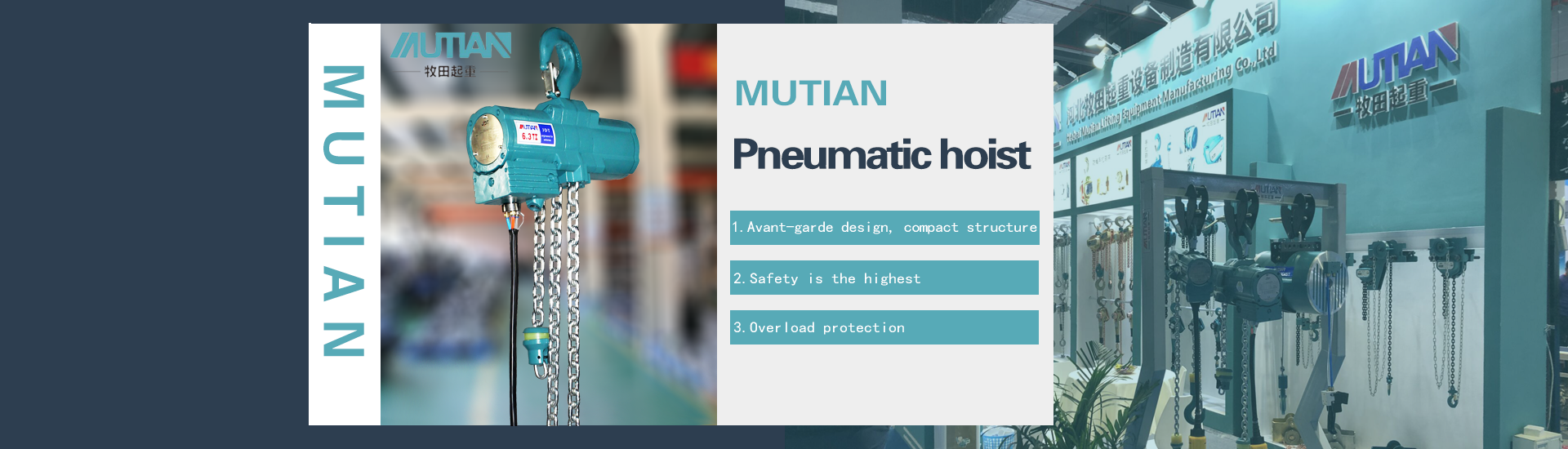
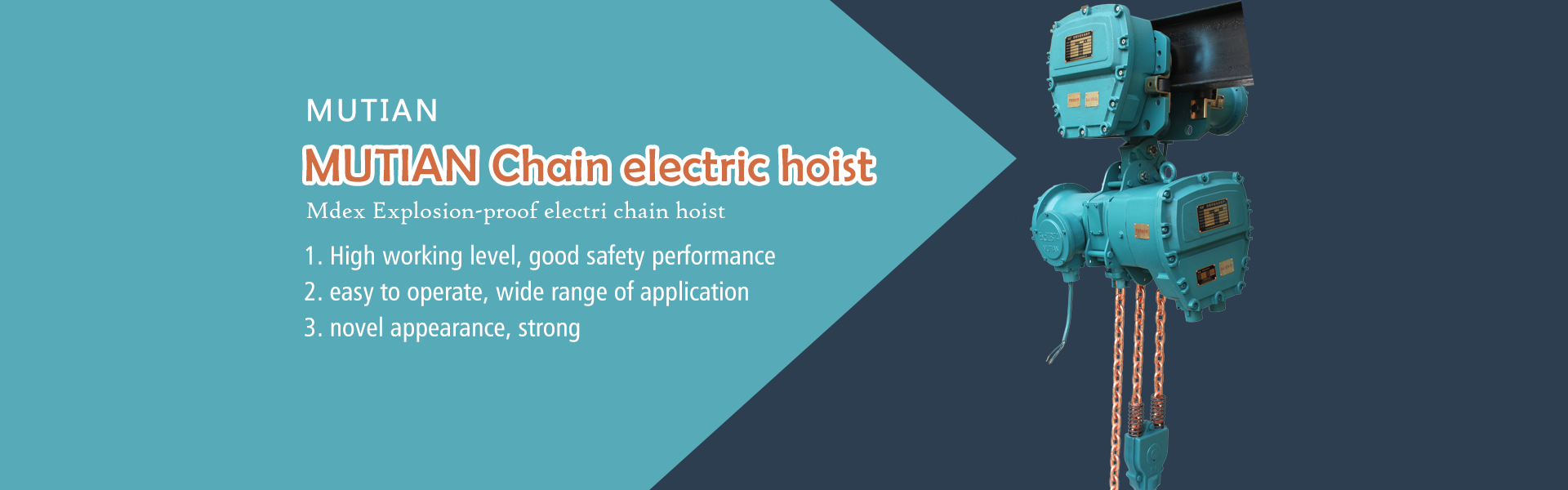
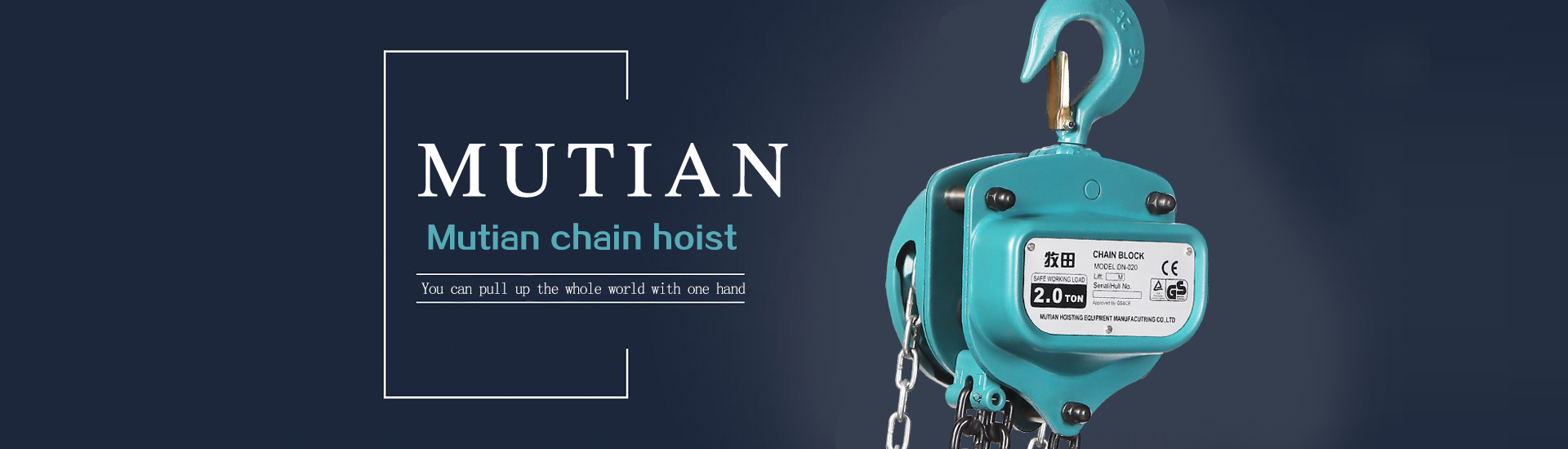
The main equipment produced by Hebei Makita: stage electric hoist, electric chian hoist, wire rope electric hoist,Hand chain hoist, lever hoist, pneumatic hoist and other lifting equipment
 phone
phone
 service
 message
 e-mail
