 中文版
中文版





releaseTime:2025-07-24 08:50:17source:Mu TiannumberOfPageViews:0
Forklift equipment safety issues and solutions
1、 Core security issues
Improper operation
Violation behaviors: speeding, carrying passengers in violation of regulations, overloading goods, forcibly operating with obstructed vision, honking without slowing down when turning, etc. For example, if a forklift does not slow down and honks at an intersection, it is prone to collision with other vehicles or pedestrians.
Unlicensed operation: Some operators have not received professional training and have not obtained operation certificates before taking up their posts. If they use forks to directly shovel and transport flammable and explosive materials, it may pose a risk of fire and explosion.
Equipment malfunction hazards
Key component failures: brake failure, severe tire wear, hydraulic system failure, door frame deformation, etc. For example, a failure of the braking system can result in the vehicle being unable to stop in a timely manner, especially during loading and unloading platforms or slope operations, which is extremely dangerous.
Lack of safety devices: damaged rearview mirrors, front windshield film or debris affecting visibility, failure to install reverse buzzer or speed limiter, etc.
Complex homework environment
Channel blockage: Goods are piled up randomly, blocking the channel, and there is insufficient space for forklifts to travel, increasing the risk of collisions.
Insufficient lighting: Working at night or in dimly lit areas can limit the driver's line of sight and make it easy to misjudge the distance.
Mixed traffic of people and vehicles: Forklift operation areas intersect with storage, office, and maintenance areas, resulting in a high probability of personnel mistakenly entering hazardous areas.
management loopholes
Maintenance deficiency: Failure to establish a regular maintenance system, equipment operating with defects, and an increase in failure rate.
Lack of training: Operators have weak safety awareness and insufficient ability to respond to emergency situations.
Unclear division of areas: Forklift access, storage area, and maintenance area are not clearly defined, resulting in chaotic operations.
2、 Systematic solution
Strengthen personnel management
Certified employment and training:
Operators must receive professional training and obtain qualification certification, and undergo regular refresher training to update their skills.
The training covers safety operating procedures, cargo loading and unloading standards, emergency response measures, etc. For example, by simulating narrow area operation training, the driver's operational ability in complex environments can be improved.
Safety awareness cultivation:
Strengthen operators' awareness of the consequences of violations through case analysis, accident simulation, and other methods.
Clarify the responsibility of operators for their own and surrounding personnel and equipment safety, and establish a safety culture.
Improve equipment maintenance and safety devices
Regular inspection and maintenance:
Develop a detailed equipment maintenance plan and regularly inspect key components such as brakes, lighting, hydraulic systems, tires, etc.
Establish maintenance record files, track equipment status, and promptly replace worn parts. For example, if the tire is severely worn, it needs to be replaced immediately to avoid tire blowouts that may cause rollover.
Configure safety devices:
Install reverse buzzer, speed limiter, driving lights, laser collision avoidance system, etc. to enhance the intrinsic safety of the equipment.
Use manufacturer certified accessories and prohibit unauthorized modification of forklift structures (such as lengthening forks) to prevent weight imbalance.
Optimize the homework environment
Regional division and identification:
Clearly divide forklift passages, storage areas, and maintenance areas with ribbons, signs, or guardrails to avoid mixing of people and vehicles.
Set up speed limit signs, no entry signs, pedestrian passage signs, etc. to guide standardized operations.
Channel and lighting management:
Keep the work channel unobstructed and strictly prohibit the stacking of goods to block the channel.
Strengthen the construction of lighting facilities at night or in dimly lit areas to ensure clear visibility for drivers.
Dangerous area protection:
Set up protective barriers and warning lights in hazardous areas such as intersections, narrow passages, and areas under high-altitude operations.
Dangerous areas (such as charging rooms and maintenance areas) need to be locked or marked with warning signs to restrict unrelated personnel from entering.
Introducing technological aids
Forklift operation area management system:
Use induction technology to calibrate the work area, detect the left, right, and rear directions of the vehicle, and trigger an alarm when personnel or goods enter the danger zone.
Equipped with intelligent speed limit and brake assist functions, reducing the risk of speeding or collision.
Forklift collision avoidance system:
Realize 360 ° blind spot monitoring and early warning, precise distance measurement (with an error of less than 10cm), and support vibration, voice, and sound and light alarms.
Suitable for scenarios such as factory parks, warehousing and logistics, eliminating hidden driving blind spots.
Establish an emergency management mechanism
Develop emergency plans:
Develop special contingency plans for forklift fires, crushing accidents, battery explosions, etc., and clarify emergency procedures and responsible persons.
Regular drills and improvements:
Organize annual practical exercises to enhance the emergency response capabilities of operators.
Optimize the contingency plan based on the drill results to ensure rapid response and effective disposal.
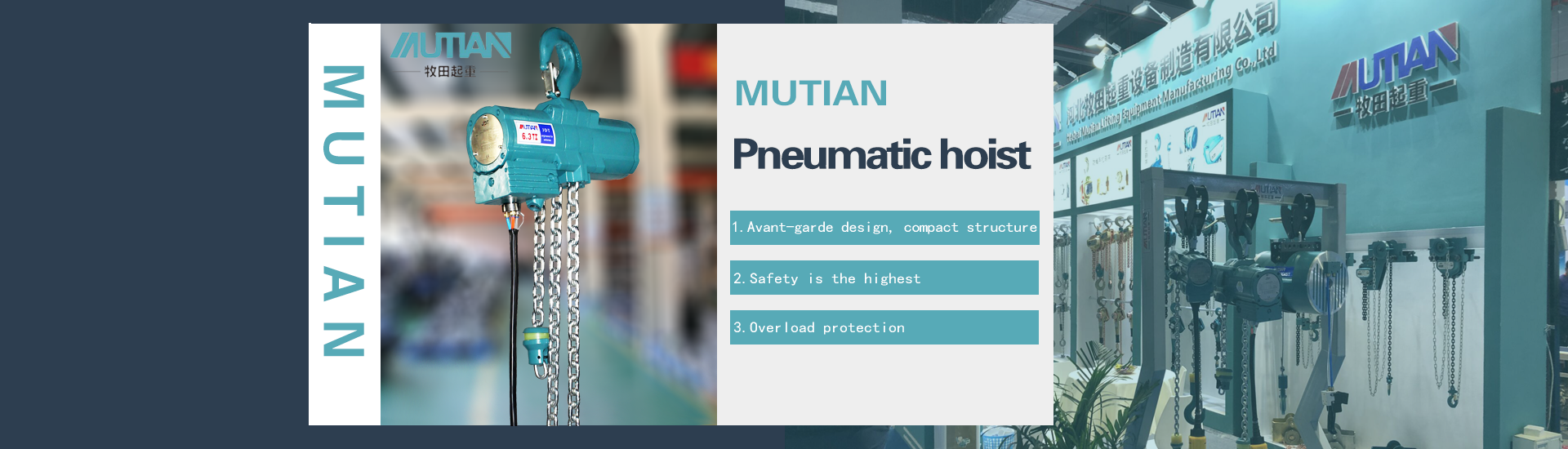
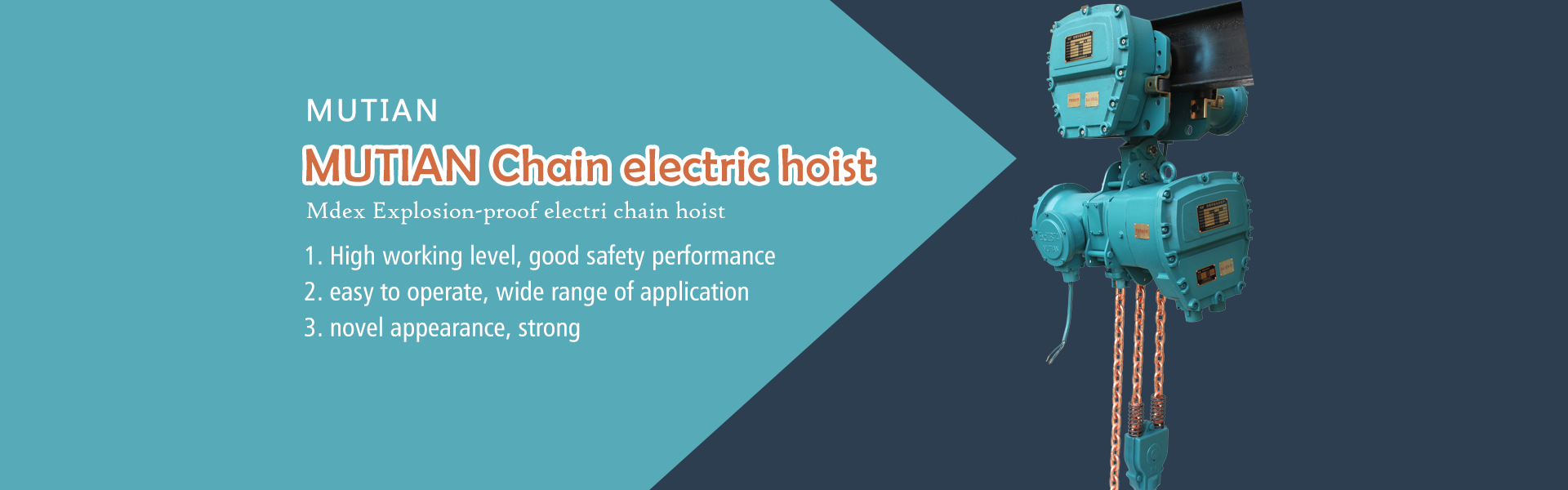
The main equipment produced by Hebei Makita: stage electric hoist, electric chian hoist, wire rope electric hoist,Hand chain hoist, lever hoist, pneumatic hoist and other lifting equipment
 phone
phone
 service
 message
 e-mail
