 中文版
中文版




releaseTime:2025-09-01 09:58:47source:Mu TiannumberOfPageViews:0
The core application scenarios of hydraulic forklifts, especially manual hydraulic forklifts, are focused on short distance, light load, high-frequency handling tasks, as well as work environments that are sensitive to safety, flexibility, and cost, complementing electric forklifts. The following is a detailed analysis of its key application scenarios:
1、 Core application scenarios
Storage and logistics field
Loading, unloading, and stacking of goods: Manual hydraulic forklifts are the core tools for short distance handling, stacking, and loading/unloading of goods in warehouses. Its compact and flexible characteristics allow it to easily shuttle between shelves and work in narrow passages, especially suitable for low-level handling (the lifting height of the fork is generally around 210mm).
Light load handling: The carrying capacity is usually between 1.6-3.0 tons, suitable for horizontal handling of palletized goods, such as short distance transportation from warehouses to loading and unloading areas.
Production and manufacturing field
Production line material flow: On the production line, manual hydraulic forklifts are used for inter process handling of raw materials, semi-finished products, and finished products to ensure the continuity of the production process. Its simple operation and low cost make it an ideal choice for small batch and multi variety production modes.
Flexible response to dynamic demands: For production lines that require frequent adjustment of handling tasks, manual hydraulic forklifts can quickly respond and reduce equipment replacement costs.
Supermarket retail field
Goods shelving and sorting: In supermarkets, shopping malls, and other scenarios, manual hydraulic forklifts are used to transport goods from the back-end warehouse to the shelves, or to sort the goods on the shelves. Its design is flexible and easy to operate, and the staff can get started with it through simple training, significantly reducing labor intensity.
Reduce cargo loss: Through full container handling, reduce cargo collisions and friction, especially suitable for handling fragile or valuable goods, and reduce loss rates.
Logistics and distribution field
Truck and refrigerated truck loading and unloading: Manual hydraulic forklifts are used for cargo loading and unloading operations in the logistics process, replacing pure manual handling, improving efficiency, and ensuring cargo safety.
Cold chain logistics adaptability: Its anti freezing and low-temperature resistance characteristics enable it to work stably in cold storage environments, meeting the special needs of cold chain logistics.
Special industry applications
Fire and explosion prevention locations: Manual hydraulic forklifts do not generate sparks or electromagnetic fields, and are suitable for loading, unloading, and transportation of flammable and explosive materials, such as chemical warehouses, gas stations, and other scenarios.
Catering industry and agriculture: used for kitchen raw material handling, farm agricultural product loading and unloading (such as transporting fruits and vegetables from the field to the warehouse), improving transportation efficiency and ensuring product quality.
Construction sites and office spaces: transporting building materials, tools, or office furniture to meet diverse scene needs.
2、 Complementary relationship with electric forklifts
Load capacity and efficiency
Electric forklifts are suitable for large-scale and high-intensity operations, capable of handling heavier goods (with a carrying capacity of several tons to over ten tons), and have fast speeds, making them suitable for long-term continuous operations.
Manual hydraulic forklifts focus on light load and short distance handling, with lower load capacity but low cost and flexible operation.
operating flexibility
Manual hydraulic forklifts have significant advantages in narrow spaces such as between shelves and narrow passages, while electric forklifts are relatively limited in flexibility due to their large size.
Electric forklifts achieve more precise operation through electric steering systems, acceleration control systems, etc., making them suitable for complex work environments.
Maintenance cost and applicability
Manual hydraulic forklifts have a simple structure, low maintenance costs, and do not require electricity or fuel, making them suitable for cost sensitive scenarios.
Although electric forklifts have high efficiency, their battery life and maintenance costs (such as motor and battery replacement) are relatively high, and they are limited by battery life.
3、 Summary of Core Advantages
Cost effectiveness: Low procurement costs, no need for electricity or fuel, and significantly lower long-term usage costs compared to electric forklifts.
Easy to operate: No professional skill training required, shop assistants or workers can get started with simple guidance.
Safe and environmentally friendly: No exhaust emissions, low noise, and fire and explosion prevention characteristics make it suitable for special environments.
Flexible adaptation: able to meet diverse needs such as narrow spaces, light load handling, and frequent task adjustments.
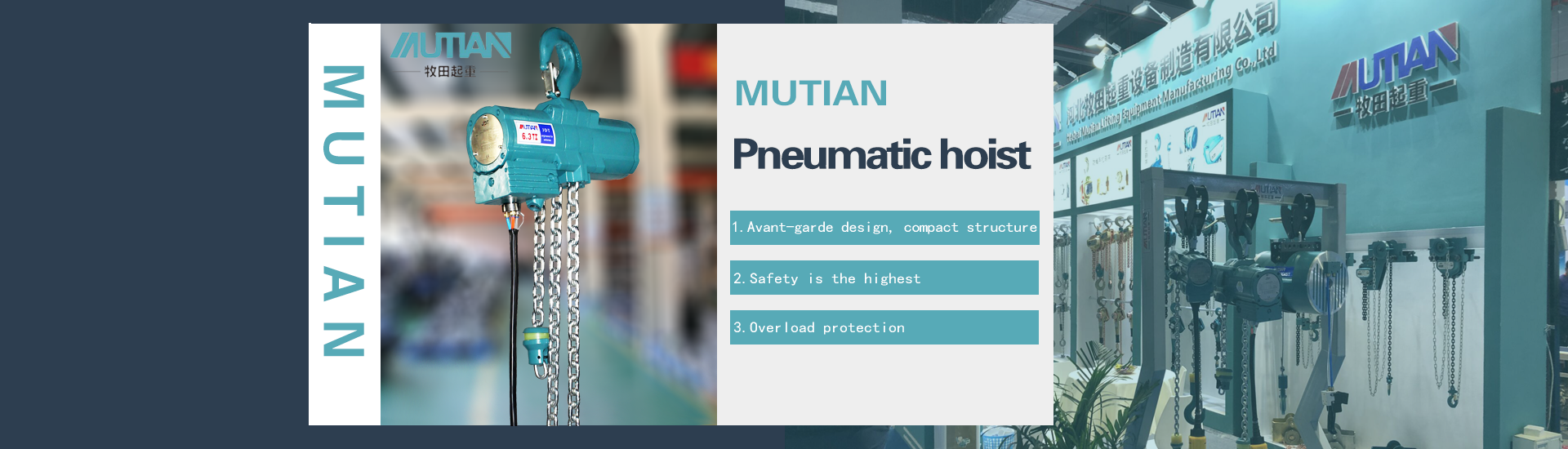
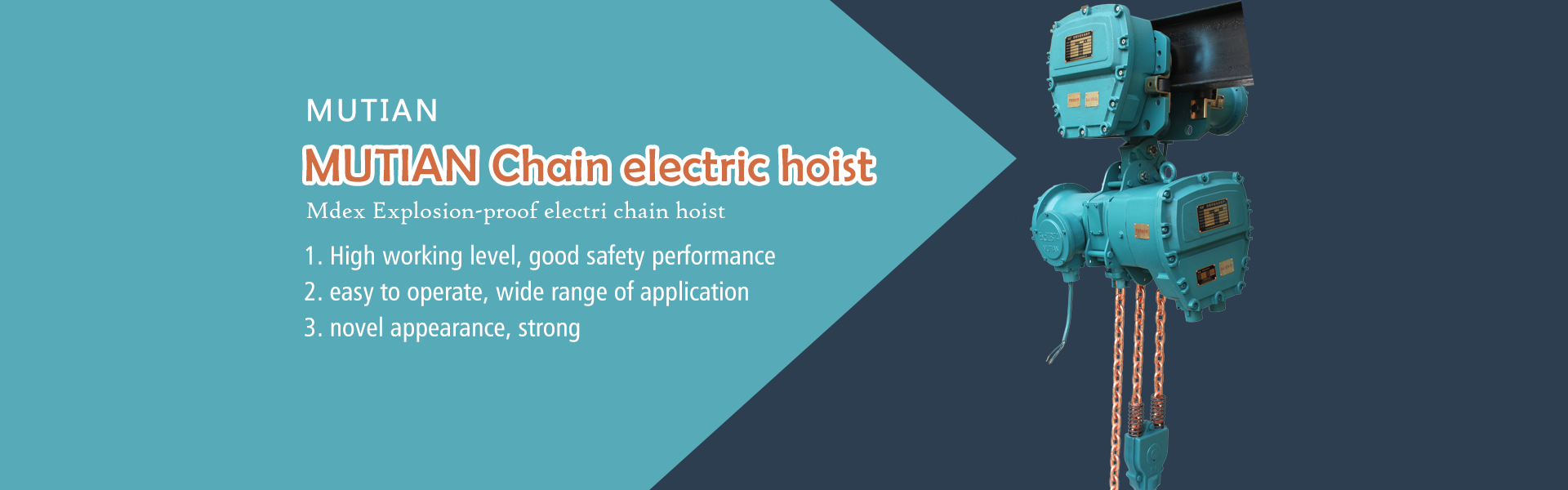
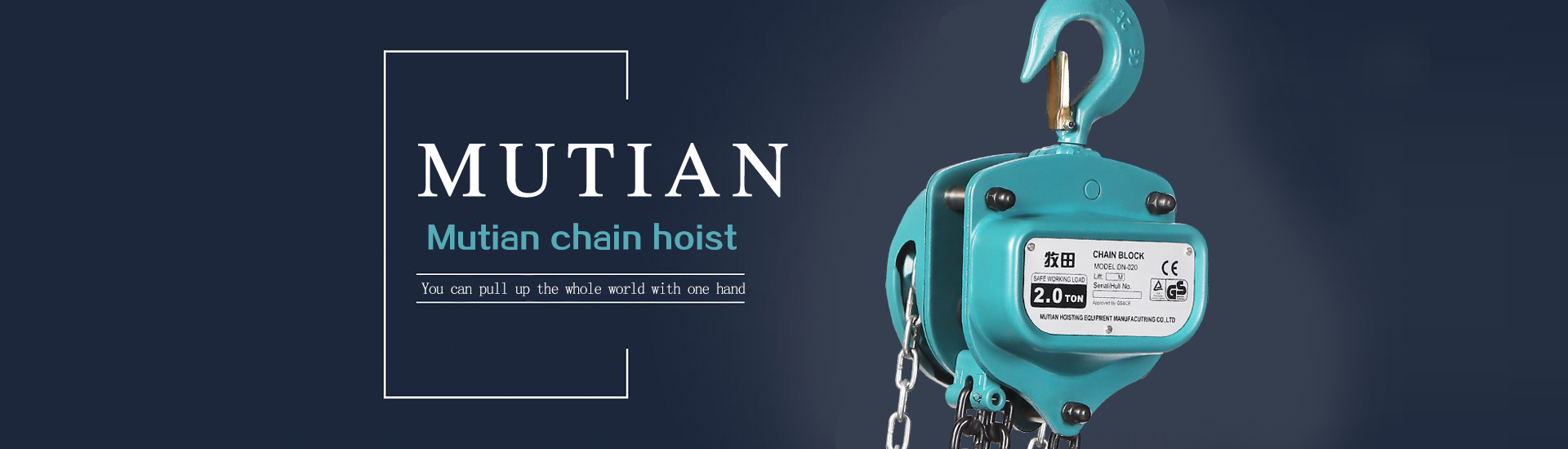
The main equipment produced by Hebei Makita: stage electric hoist, electric chian hoist, wire rope electric hoist,Hand chain hoist, lever hoist, pneumatic hoist and other lifting equipment
 phone
phone
 service
 message
 e-mail
